

























































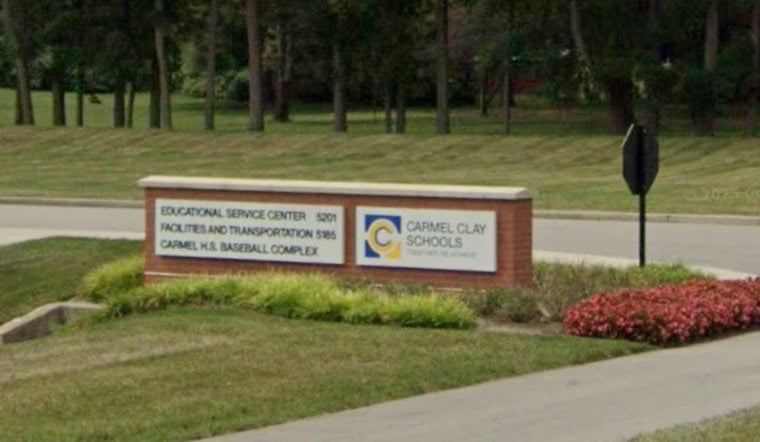
Carmel Clay Schools is staring down a massive funding hole and a tight deadline, as district leaders debate whether to put a tax referendum on the November ballot to keep classrooms, services and jobs intact. Trustees say they have until late June to decide how to respond to a multimillion dollar shortfall tied to Indiana’s latest property tax overhaul.
District officials told reporters the new law could punch roughly a $120 million gap in the budget over the next eight years, or about $15 million a year, and they are weighing whether to extend or increase existing local levies, according to Fox59. School board member Jennifer Cashin warned that “there would be no one left unharmed” if the district cannot close the gap, and Superintendent Dr. Thomas Oestreich said the projected loss would have “a huge adverse impact” on education in Carmel.
At a March 30 presentation to the school board, district finance staff and Indianapolis firm Policy Analytics walked trustees through several scenarios showing how referendum revenue could shrink. One analysis pegged the eight year shortfall near $94 million. Another public information session is expected in May, and the board faces a final decision deadline of June 24, according to YouAreCurrent.
What SEA 1 changes and why it matters
Senate Enrolled Act 1, signed into law in April 2025, creates a 10 percent homestead credit capped at $300 along with other deductions aimed at lowering property tax bills, according to Indiana House Republicans. Finance analysts say those credits, plus new exemptions for certain business personal property and changes to when referenda can be held, are expected to shrink net assessed value and cut into what districts can collect through voter approved levies. The law also requires school referenda held after 2027 to share revenue with charter schools starting in 2028, per reporting by Indiana Public Media (WFIU/WTIU).
Local stakes: jobs, programs and safety
District leaders are blunt about what is on the chopping block if the funding gap is not filled. Associate Superintendent Roger McMichael said the school system would likely have to cut roughly 10 to 11 percent of its staff, a move he said would ripple through class sizes, student support services and extracurricular programs, according to Fox59.
How a referendum would work
Indiana law controls the wording and timing of school tax referenda. The Department of Local Government Finance reviews ballot questions and limits operating referenda to terms of no more than eight years, and the ballot language must spell out how many years the tax will run, what it will fund and the estimated impact on taxpayers. The agency signed off on the ballot language for Carmel Clay’s 2023 operating referendum, and that documentation, along with the legal requirements, is posted in the department’s review files. Details are available from the Department of Local Government Finance at Indiana DLGF.
Timeline and next steps
The school board plans to continue public briefings in May and could vote on a referendum question before the end of June, according to district presentations. Residents can follow meeting dates, board agendas and any draft ballot wording on the district’s website and on the DLGF’s referendum review page. The board has said it will lay out specific levy options for the public before it makes a final decision, according to YouAreCurrent and district materials.
What voters would be deciding
If a question makes it onto the ballot, Carmel residents would be asked whether to continue or adjust property tax levies for purposes such as retaining and attracting teachers and funding educational programs. The language would closely mirror the wording of the district’s 2023 operating referendum, which the Department of Local Government Finance approved in its formal review, according to Indiana DLGF. Those referendum dollars have historically covered staff positions and student services that the regular state funded budget does not fully support, and board members say the choice in the coming weeks will determine whether those programs continue at their current levels.



