

























































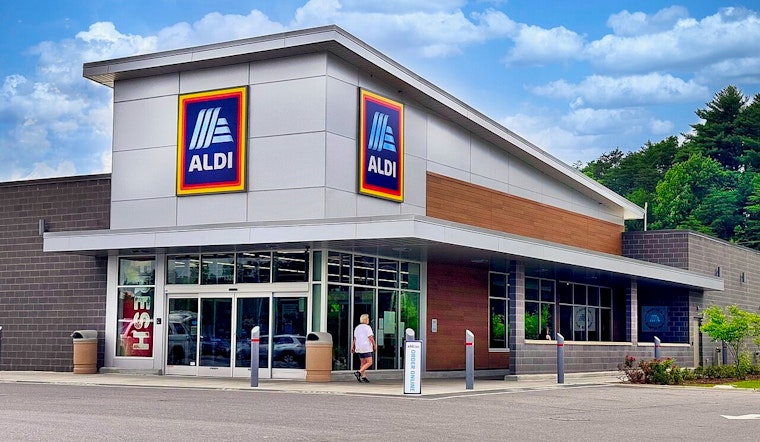
A new class-action lawsuit filed this week says Aldi has been scrambling the truth for shoppers, accusing the grocer of marketing its store-brand eggs as higher-welfare "cage-free" while packaging and imagery suggest outdoor access and pastoral, farmyard-style conditions. The complaint argues those visuals and claims let Aldi charge a premium for eggs that are actually produced in industrial indoor housing, not on open pasture, and arrives amid a broader wave of consumer suits challenging feel-good, welfare-oriented labels.
According to Crain's Chicago Business, the complaint singles out Aldi's private-label cartons and related marketing materials as examples of the alleged deception. The April 22, 2026 report notes that the plaintiffs are asking a judge to certify a class of shoppers who say they paid extra for eggs because they believed the hens enjoyed better animal welfare and outdoor access than they actually did.
What the suit alleges
The plaintiffs claim Aldi's use of the "cage-free" label alongside bucolic artwork and marketing copy creates a false impression that hens roam outdoors, a message they say is materially misleading. In government guidance, "cage-free" generally refers to birds that are not kept in cages and are typically housed inside barns, and it does not automatically mean flocks have outdoor access, according to the U.S. Department of Agriculture. Legal analysts say cases like this often hinge on whether a "reasonable consumer" is likely to be misled, a standard that has produced a mix of wins and losses in recent food-labeling lawsuits.
A pattern of cases
The Aldi complaint is part of a longer-running fight over how eggs are sold and described. Plaintiffs and advocacy groups have brought similar cases against egg producers and retailers for years, and some have ended in settlements or quiet packaging tweaks. One notable example is a 2025 settlement with a Pennsylvania egg producer over its use of the phrase "free-roaming," as reported by The Philadelphia Inquirer. The Animal Legal Defense Fund also secured packaging changes in an earlier case involving Trader Joe's, a reminder that litigation has already pushed some retailers to rewrite how they describe their eggs.
Why shoppers should care
For consumers, the issue is simple even if the legal standards are not. Many people are willing to pay more for a carton that suggests better animal welfare or genuine outdoor access, and those premiums add up. Aldi has previously publicized a plan to work with suppliers toward a 100 percent cage-free shell-egg supply chain by 2025, a goal that made cage-free messaging a key part of its branding, according to PR Newswire. The broader debate also intersects with supplier track records, since major egg producers have dealt with food-safety scares in the past, highlighting how sourcing, safety and welfare promises can collide in the same carton, as coverage of the 2018 Rose Acre Farms recall shows, per WRAL.
Next steps
The lawsuit seeks class certification and damages, according to Crain's Chicago Business. If the court allows the case to move forward, it will head into discovery, where internal documents and marketing decisions could come under scrutiny. Outcomes in similar egg-labeling battles have run the gamut from early dismissals to sizable settlements and packaging overhauls, so the case has the potential to influence how Aldi and other chains talk about animal welfare on their egg cartons.
The filing is the latest test of how courts handle animal-welfare labeling, and it will be one to watch as arguments over what shoppers reasonably expect continue to play out.





