

























































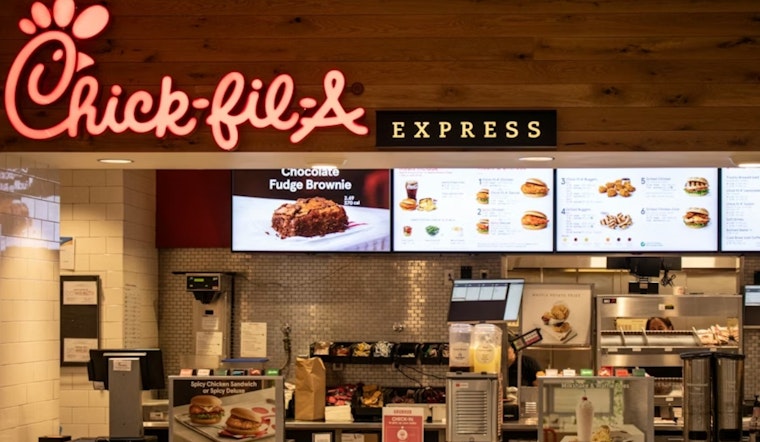
Chick-fil-A has quietly snapped up a piece of land on the west side of Denver International Airport, scoring a highway-facing perch that also happens to shut out rival chicken chains from that particular slice of real estate. It is a reminder that national fast-food brands are now fighting just as hard for dirt as they are for diners, especially along travel corridors that deliver steady commuter and tourist traffic.
According to the Denver Business Journal, property records tied to the deal indicate Chick-fil-A is expected to open what would be the chain’s fifth Denver-area restaurant at the site. The same filings suggest a sixth Denver location could already be in the works. The outlet reports that the purchase effectively keeps other chicken-focused brands from planting their flag on that specific parcel.
Why the Site Is Valuable
DIA controls a large inventory of non-aviation land that city and airport leaders have been steering toward commercial uses, so parcels near major access roads are especially prized by restaurant chains and travel-oriented retailers. A court ruling and subsequent reporting have noted that the airport holds roughly 16,000 acres that can be used for non-aviation development, which makes nearby sites particularly attractive to developers and national brands; BusinessDen reported on that ruling.
The airport’s own real-estate materials spell out programs for long-term ground leases and an ongoing request-for-offers process designed to bring private development to select DEN parcels, a setup that turns the surrounding area into a long game of real-estate chess. Denver International Airport details how that system works.
What It Means for Local Restaurants
For Denver diners and air travelers, the move most likely translates into one more Chick-fil-A option along key routes feeding the airport and the suburban ring roads that surround it. Developers often line up highway-adjacent parcels for single-tenant users, which can limit where competing chains are able to secure drive-thru locations near the busiest interchanges.
The Denver Business Journal frames this acquisition as part of a broader rush to lock down strategic land around DIA, a trend that will help decide which brands get the prime sign placements in front of the thousands of vehicles that pass the airport each day.




