

























































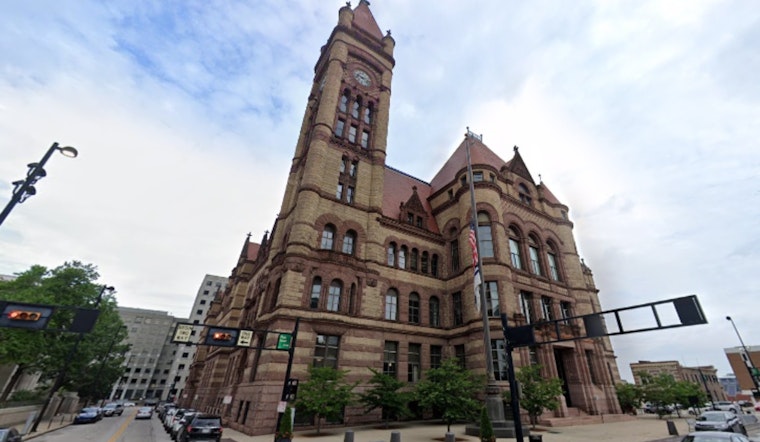
Cincinnati City Council is moving to reinforce the city’s long-standing ban on conversion therapy for minors, asking its legal team to tweak the law before the courts do it for them. The council this week directed the city solicitor’s office to review the ordinance and suggest changes that could keep it enforceable while surviving the new wave of constitutional challenges triggered by a recent U.S. Supreme Court decision. Supporters on council say the goal is straightforward, to keep protections for young people in place while judges sort out the First Amendment questions.
According to reporting by the Cincinnati Enquirer, the motion was sponsored by Council member Jeff Cramerding along with five colleagues. Their request to the city’s legal department is narrowly tailored, look for specific fixes or clarifications in the city code that protect the existing ban rather than expand it. As the Enquirer notes, backers repeatedly stressed that this is a defensive move, an effort to keep the ordinance from being unraveled in court, not an attempt to widen its reach.
How The Supreme Court Changed The Playbook
The flurry of activity at City Hall comes on the heels of the U.S. Supreme Court’s March 31 decision in Chiles v. Salazar. In that case, the Court held that Colorado’s ban on conversion therapy, as applied to a counselor’s talk therapy, raised First Amendment concerns and had to be reviewed under strict scrutiny. The justices sent the dispute back to the lower courts to reconsider under that demanding standard. Legal observers say that move could put parts of local conversion therapy bans at risk if judges decide those laws directly regulate the speech of licensed therapists rather than their professional conduct. For background on the opinion, see coverage at SCOTUSblog.
Local Law And What Could Be On The Line
Cincinnati first barred licensed therapists from attempting to change a minor’s sexual orientation or gender identity in December 2015, after public uproar over widely reported harms tied to conversion practices. That 2015 vote, along with the fines the city code allows for violations, has often been cited as a local safeguard for LGBTQ youth. A 2015 report by WLWT on the council vote lays out the original ordinance and penalties.
Council members backing the new motion told colleagues they worry the Supreme Court’s focus on speech will be used to attack city rules that touch therapy, even when those rules are written as professional licensing or consumer protection measures. Their request to the solicitor is aimed at tightening the law’s connection to enforceable professional standards instead of the specific content of counseling conversations. The Enquirer includes the full motion text and a detailed recap of the council debate.
What Legal Fixes Might Look Like
City attorneys and any outside counsel have several possible approaches on the table. They could sharpen definitions so the ordinance clearly targets coercive or harmful practices instead of protected conversations. They could underline that the ban regulates professional conduct, not pure speech. They might also spell out enforcement mechanisms that rely more heavily on licensing and malpractice rules. After Chiles v. Salazar, legal commentators have warned that courts are likely to examine whether a law truly regulates conduct or, in practice, polices viewpoints, so the precise wording of any amendment will matter. For a deeper legal context, review the Court’s opinion and analysis at Justia.
Advocates And Statehouse Crosscurrents
LGBTQ advocacy organizations quickly condemned the high court’s ruling, arguing it undermines hard-fought protections for minors. Amnesty International labeled the decision devastating for LGBTQ youth and repeated the medical consensus that conversion practices are harmful. Cincinnati’s move also lands in the middle of a broader state-level fight over local control. Hoodline has reported on proposed Ohio legislation that would, if passed, narrow or preempt local conversion therapy bans, a separate front that city officials say they are monitoring closely.
Under the motion approved by the council, the city solicitor’s office will study its options and report back with recommended changes. Council members say they expect to see proposals that include tightly tailored ordinance language or other legal tools that aim to preserve the city’s ability to shield minors while responding to the constitutional concerns highlighted by the Supreme Court. The solicitor’s findings will determine the timeline for drafting any amendments and for the next round of public debate.





