

























































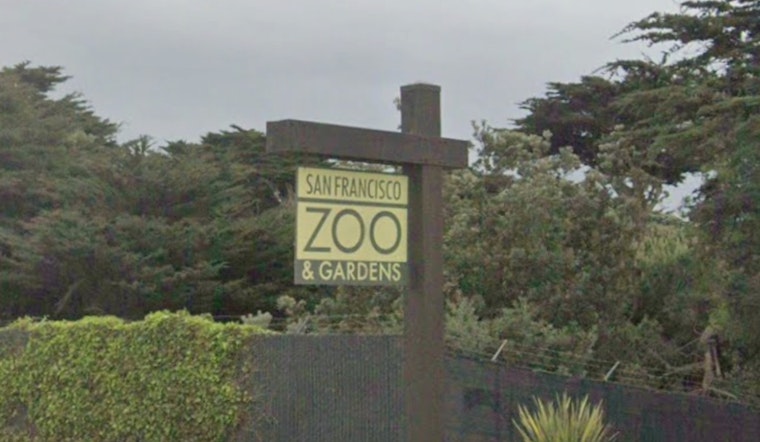
The City of San Francisco has approved a $6.5 million bridge loan to the San Francisco Zoo, a short-term cash infusion meant to keep the gates open while new leadership tries to steady animal care and the balance sheet. Officials are calling the money a pause button, not a permanent fix, and they have tied it to tighter oversight that will show whether the zoo can actually pull out of its tailspin.
The agreement, outlined in a joint statement from City Hall and zoo leaders, sets up as much as $2 million more in potential funding if the zoo hits specific performance targets. It also requires quarterly financial reports and a five-year strategic plan linked to accreditation goals. Mayor Daniel Lurie warned that the city “cannot afford to take over the Zoo and spend tens of millions of dollars to shut it down or keep it afloat,” and city and zoo officials framed the deal as buying time for immediate operational repairs. The basic terms and the mayor’s warning were laid out publicly this week, as reported by the San Francisco Chronicle.
Big Losses, A Fragile Balance Sheet
The San Francisco Zoological Society’s audited financial statements for the year ended June 30, 2025, show an operating loss of about $6.3 million and a roughly $5.5 million, or 27 percent, drop in net assets, leaving the nonprofit with much thinner reserves than a year earlier. The report cites higher operating costs paired with weaker fundraising and contributions, a combination city leaders pointed to when weighing emergency aid. Those figures come from the society’s final audited report, according to the San Francisco Zoo.
Oversight, Accreditation And The Clock To 2027
City and zoo officials have tied the loan to a series of checkpoints meant to safeguard public dollars and animal welfare: regular quarterly reports, governance milestones and a five-year strategic plan aimed squarely at meeting the Association of Zoos and Aquariums standards before the next full review. The AZA conducts intensive on-site inspections and requires re-accreditation every five years, which puts 2027 on the calendar as a hard deadline for visible progress. Zoo CEO Cassandra Costello said the organization has drafted a turnaround plan and welcomed the city’s cash as a crucial runway for improvements, in a press release via San Francisco Zoo & Gardens, while the AZA’s accreditation cycle is detailed by AZA.
How It Got To This Point
The bridge loan follows months of audit requests and mounting public scrutiny of the zoo’s books and day-to-day operations. A June 2025 memo from the city’s Budget and Legislative Analyst reported that auditors were still missing key reconciliations and several years of underlying financial records, and that some internal reports did not provide sufficient detail to complete a full review. Those audit gaps, combined with past safety and welfare incidents documented in public reporting, led the city to demand stricter oversight before offering more support. The memo is available through the City and County of San Francisco.
What Taxpayers Should Watch
For San Franciscans, the loan is essentially a bet that governance changes and a new executive team can pull off a quick turnaround. Details such as the interest rate and repayment terms have not been released, and city leaders are stressing that this is a bridge to stability, not a standing subsidy. They have also made it clear that more drastic options, including a city takeover or even closure, would be expensive and unwelcome if the zoo cannot hit its marks. That framing was outlined publicly, as reported by the San Francisco Chronicle.
In the near term, expect a lot of paperwork and proof. The zoological society will have to demonstrate stronger financial controls, clearer fundraising paths and measurable gains in animal care and staffing before the city considers any extra help. If those boxes are checked ahead of the AZA review in 2027, the bridge loan will likely be remembered as a stopgap that bought just enough time. If not, officials say the city will have to confront a very different set of choices to protect animals, staff and taxpayers.




