

























































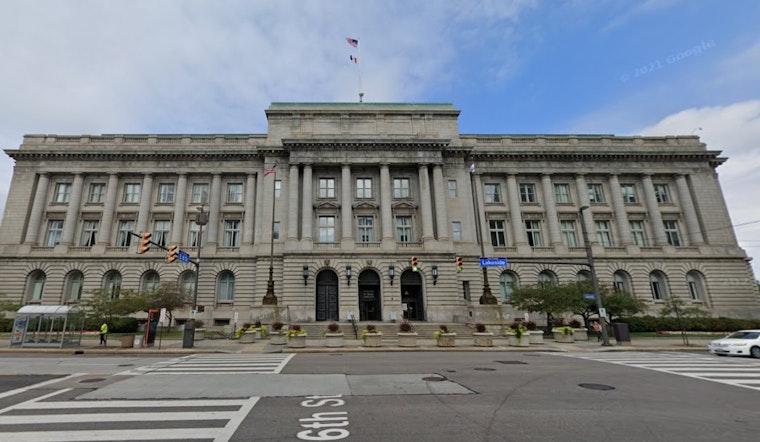
Cleveland City Hall is about to get a detailed art lesson in line items and invoices. Next Monday, city officials are scheduled to present a full accounting of the Transformative Arts Fund, the nearly $3 million public arts program built with federal COVID relief dollars and billed as the administration's final DEI-style initiative. The hearing comes after reporting that highlighted withheld payments, small unspent returns, and lingering questions about how much of the cash actually landed with artists and neighborhoods. Council members have said they want clear receipts and a straightforward timeline of how the grants were rolled out.
The program, launched with American Rescue Plan Act funding, ultimately backed seven artist-led projects across the city and pledged roughly $3 million in total awards, including All My Babies at $482,125 and For Art's Sake at $465,343. Grants ranged from roughly $312,000 to $482,125 and supported mural-making, immersive theater, place-making, and festival-style activations. According to the City of Cleveland, the fund was designed to fuel neighborhood-driven projects and move money to artists while work was underway.
What The Records Show
A review of payment records reported by WKYC paints a more complicated picture than the program's glossy launch. The reporting details payments to hundreds of artists and local vendors, with records showing 346 local businesses and artists and 392 artist payments that together exceeded $1,000,000, while administration costs are listed at roughly $140,000. WKYC's review also notes partner payments and holds: Assembly for the Arts collected about $90,000, LAND studio was paid $49,500 for technical assistance, the Cleveland Clinic covered $24,106.25, and small sums were returned or withheld (For Art's Sake returned $222.91 and Impart216 returned $233.45).
How The Program Was Run
The fund was structured so Assembly for the Arts handled the application and disbursement process while LAND studio provided project logistics and permitting support, a model selected to speed payments and lighten the usual administrative burden on individual artists. That structure, and the fact that the money came from the American Rescue Plan Act, has been central to the city's public messaging around the initiative. Ideastream Public Media reported on the fund's design and the city committee that sifted through more than 100 applications to arrive at the seven awardees.
Council Hearing Next Week
City Council has carved out time to press for details, and Rhonda Brown, the mayor's senior advisor for arts and culture, is expected to deliver a full accounting next Monday (April 27), according to WKYC. Records cited in that reporting show roughly $2,860,500 remains allocated for projects, and councilmembers say they want an itemized tally of disbursements along with explanations for any paused payments. Artists, neighborhood groups, and watchdogs who have been pushing for clearer documentation are expected to watch closely.
Brown has publicly defended the initiative, writing on the city's program page that "The Transformative Arts Fund embodies Cleveland’s unwavering belief in the power of art to activate the soul of the city and uplift its people." City materials say the fund focused its activity in historically underserved neighborhoods, and the city reports that about 95 percent of funded work took place in those areas, which officials point to as evidence of the program's community impact.
Community Reaction And What To Watch
Local watchdogs and reporters have filed records requests and pushed for more transparency, while artists and partner institutions point to new public art installations and performances as proof the money produced visible results. Critics want routine, searchable posting of grant agreements, invoices, and quarterly reports so residents and councilmembers can track progress without filing formal records requests. Coverage from outlets including CoolCleveland and The Land captures both praise for community-facing work and ongoing calls for clearer accounting.
The council session next Monday is expected to offer the first full public look at receipts, timelines, and next steps for the roughly $2.8 million still on the books. How officials respond could determine whether the Transformative Arts Fund is remembered as a model for future city investments in artists or a cautionary tale about oversight.





