

























































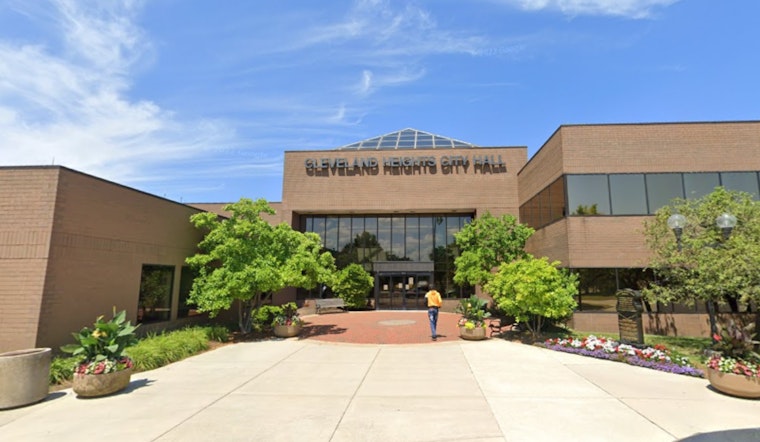
Cleveland Heights City Council has put tighter limits on how the city uses Flock Safety’s automated license-plate readers, rushing through an emergency first reading of a resolution that caps how long the data can be stored and blocks its use for civil immigration enforcement. The move follows months of neighborhood pushback about who can see camera feeds and how long that information sticks around.
According to Cleveland.com, Councilwoman Jessica Cohen drafted the measure, which the council passed unanimously on the emergency first reading. Sponsors framed the resolution as a way to write privacy protections and clear data limits into policy so police can keep using automated license-plate readers without subjecting residents to wide-open surveillance.
What the Resolution Does
The resolution limits retention of ALPR-captured data to no more than 30 days and prohibits the Cleveland Heights Police Department from using that information for civil immigration enforcement, with release allowed only under a judicial search warrant, Cleveland.com reported. Supporters on the council say it aims to thread the needle between modern crime-fighting tools and civil liberties.
Councilwoman Sarah Stone said the changes "will go a long way toward protecting the most vulnerable residents," while critics at the meeting countered that they "do not trust Flock" and argued that a sprawling camera network can "interfere with and destroy freedom and openness in society." In other words, not everyone is convinced that a 30-day cap solves the bigger surveillance worries.
Where This Fits in the Region
The Cleveland Heights action comes as other Northeast Ohio cities wrestle with how far to go with Flock technology. Cleveland itself has already paused a proposed expansion after residents demanded more oversight.
Local reporting has tracked that broader fight over data-sharing and transparency, including Cleveland’s decision to slam the brakes on a Flock surveillance deal, coverage in Cleveland Scene on the local backlash, and a Marshall Project investigation republished by News 5 Cleveland that flagged long-standing oversight gaps around police surveillance in the region.
What Comes Next
Approving the measure on an emergency first reading sped up the process compared with a standard ordinance, but city leaders stressed that the council can still tweak the language in future meetings. Any formal policy changes built on this resolution would need to come back as additional legislation.




