

























































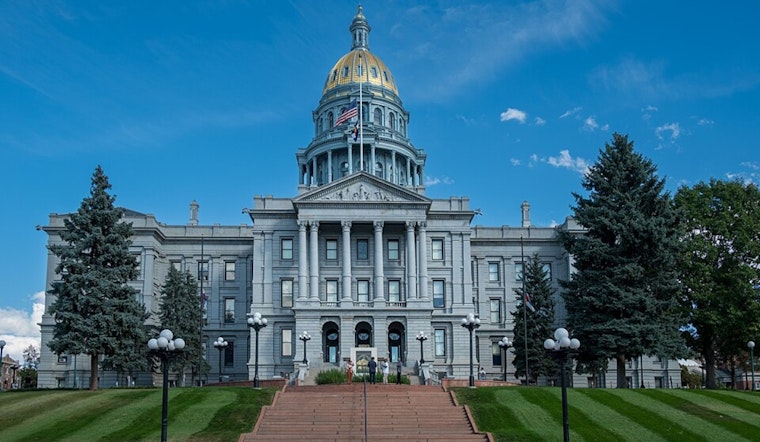
Colorado’s latest fight at the Capitol is over the nuts and bolts of how the state votes by mail, and it is getting political in a hurry.
Lawmakers this week advanced a sweeping elections overhaul they say is designed to harden Colorado’s mail-ballot system against outside interference while also making it easier for students and other voters to cast a ballot. House Bill 26‑1113 would tweak when ballots go out, keep drop boxes open longer ahead of Election Day, and hand local officials new administrative tools like built-in geographic mapping in the statewide voter file. After a narrow, party-line committee vote, the measure now slides into the Senate’s budget gauntlet.
House Bill 26‑1113 cleared the Senate State, Veterans & Military Affairs Committee last Thursday on a 3‑2 party-line vote and was sent to the Senate Appropriations Committee, according to reporting by the Colorado Springs Gazette. The bill had already passed the House 41‑22 in early March, with Democrats using their majority to move a package of technical fixes and access expansions.
What’s in the bill
HB26‑1113 would require counties to mail ballots earlier, expand the window during which drop boxes can accept ballots, lower the campus population threshold that triggers placement of a drop box, and require GIS functionality in the statewide voter registration database by July 1, 2029. The bill text and summary also repeal a statutory process that currently lets any registered elector challenge another person’s registration, and they add new reporting requirements for voter-service centers that see long wait times, according to the Colorado General Assembly. Sponsors say the grab bag of access and operations changes largely came from county clerks asking for clearer rules and sturdier procedures.
Supporters frame it as defensive and pro-access
Backers are pitching the bill as a kind of political surge protector: something you install before the power grid gets fried. They describe it as a pre‑emptive defense against federal meddling and a way to keep Colorado’s elections running smoothly when ballots start flying.
As reported by The Center Square, Senate sponsor Katie Wallace told colleagues, “At a time when confidence in our elections is being undermined for political gain, Colorado is choosing to lead with certainty, stability, and integrity.” Co‑sponsor Sen. Mike Weissman said the changes are intended to make voting easier while reinforcing the practical foundations of the current system.
Opponents raise security and cost concerns
Republican lawmakers see something very different. They argue the bill leans too hard on access at the expense of security, and they have labeled several of its pieces as sweeping changes rather than routine tune‑ups.
Local reporting and floor testimony show GOP legislators filed multiple amendments, all of which failed on party-line votes. Sen. Lynda Wilson said she could not support what she views as weakened safeguards. Some county officials have also warned that the bill’s added requirements, including more drop boxes, minimum jail‑voting hours, new reporting rules and overnight‑mail ballot cure obligations, could stretch small-county budgets to the breaking point, according to the Colorado Springs Gazette.
What happens next
With the committee referral in hand, HB26‑1113 now heads to Senate Appropriations for a closer look at the price tag before any floor debate. The official bill page tracks recent amendments and vote records that will shape negotiations as sponsors and county clerks hash out funding and implementation details, per the Colorado General Assembly.
Whether the measure actually becomes law will hinge on whether Democrats can hold firm in the Senate while answering Republican questions about costs and security. For now, HB26‑1113 reads like a blueprint for how Colorado wants to both broaden ballot access and lock in contingency tools that sponsors say will help the state weather political and federal pressure in the elections to come.





