

























































Colorado’s hunting community is squaring off with Gov. Jared Polis over who gets to call the shots on the state’s wildlife policy, accusing him of loading the Colorado Parks and Wildlife Commission with animal-rights voices at the expense of hunters.
The backlash erupted after the commission advanced a petition to ban commercial sales of wild fur and pursued other policy moves that critics say sideline hunters and anglers who have long bankrolled the agency’s work.
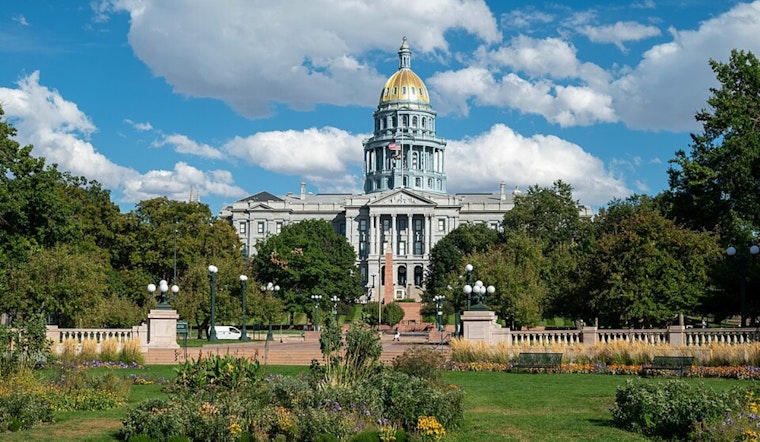
The three nominees at the center of the storm, John Emerick, Christopher Sichko, and Frances Silva Blayney, are set to go before the Senate Agriculture & Natural Resources Committee on Wednesday, according to The Colorado Sun. The Senate’s public schedule also lists individual confirmation hearings for each commissioner at the state Capitol.
Hunting Groups Push Back
In a sharply worded letter, the Colorado Wildlife Conservation Project, joined by 15 hunting organizations and several former Colorado Parks and Wildlife staffers, warned that the governor’s picks have led to decisions that “directly conflict with principles of science‑based wildlife management.” The signers also question whether some nominees meet the statutory minimum qualifications to serve.
The coalition urged lawmakers to dig into the resumes and track records of the appointees and called for a reset to what it describes as collaborative, experience‑driven decision-making that more explicitly includes hunters and anglers.
Voices From the Commission
Inside the commission, some members and conservation advocates say what is happening is less a hostile takeover and more a long-delayed broadening of viewpoints.
Vice chair Jay Tutchton characterized the commission’s evolving makeup as a reflection of governors’ priorities. In contrast, others cast the clash as part of a wider culture fight over how heavily to weigh hunting interests versus broader ecosystem goals, as reported by The Colorado Sun.
Numbers at the Center
For all the rhetoric, the battle keeps circling back to numbers. Colorado Parks and Wildlife estimates the state’s landscapes support about 300,000 elk and roughly 400,000 deer, with license sales providing a central funding stream for the agency, according to Colorado Parks and Wildlife.
The hunting coalition’s letter argues that hunting revenue accounts for roughly 85% of Colorado Parks and Wildlife’s wildlife budget. Agency materials and outreach, by contrast, say license and pass sales made up about 69% of wildlife funding in fiscal year 2021‑22. The gap highlights a deeper disagreement over how dependent the agency is on traditional sportsmen’s dollars and how much that should drive policy. Colorado Wildlife Conservation Project and agency sources present the differing tallies.
Beavers have become another lightning rod. Colorado Parks and Wildlife’s Beaver Conservation and Management Strategy estimates there are roughly 53,000 dam‑building beavers in the state, while a 2022 study modeled that Colorado’s stream network could support about 1.36 million beaver dams, a capacity advocates say could translate to roughly 450 billion gallons of stored water. The strategy and the 2022 study, from Colorado Parks and Wildlife and Ecosphere, are now being cited on all sides of the debate.
Polis’ Defense
The governor’s office has pushed back on the criticism, calling the claims “mistaken” and insisting that Polis remains a supporter of Colorado’s hunting community even as he appoints commissioners with a wider range of outdoor and scientific backgrounds.
The administration says the nominees were chosen to bring balance and expertise to Colorado Parks and Wildlife, to strengthen stewardship, access, and conservation for all residents, according to a press release from the Governor's office.
The confirmation hearings will be the first real stress test of those arguments. Senators are expected to question the nominees, then vote on whether they stay. Their decision, due this spring, will help determine how Colorado Parks and Wildlife navigates the balance between hunting, fishing and broader ecosystem priorities in the years ahead.



