

























































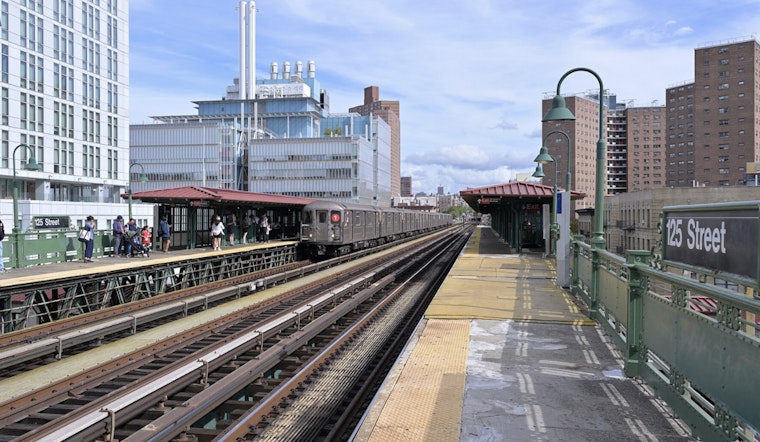
Columbia University is putting $33 million on the table to widen the escalators and add a single street-to-mezzanine elevator at the 1 train's 125th Street station, right next to its new 34-story residential tower. The Metropolitan Transportation Authority, meanwhile, is left with the tab for the really big-ticket work: two new elevators running from the mezzanine down to the northbound and southbound platforms. Design is expected to kick off in 2026, with construction projected to start around 2028.
Under the deal described by local reporters, Columbia will pay for the escalator widening and that one street-to-mezzanine lift, while the MTA covers the pair of mezzanine-to-platform elevators plus broader state-of-good-repair fixes, according to Streetsblog New York City. The outlet reports that Columbia's contribution lands at $33 million after years of haggling in which the university pushed for more public money to cover station upgrades. That split leaves the authority paying for the priciest chunk of full accessibility. Then-Manhattan borough president Mark Levine had previously pegged a single mezzanine-to-street elevator at somewhere between $50 million and $100 million.
How zoning rules shaped the compromise
Recent zoning rules are supposed to nudge private developers and the MTA into working together on station access. The idea is that big projects near transit coordinate with the authority, offer easements, or even pay for new elevators in exchange for certain development perks. As laid out by the City Planning Commission, the Zoning for Accessibility framework requires projects next to transit to consult with the MTA on future access and opens the door to bonuses if they build improvements.
Columbia's escalator plan, however, was green-lit before some of those newer rules fully kicked in. That timing gives the university more legal wiggle room over which parts of the station overhaul it is actually on the hook to fund, and which pieces the public sector has to carry.
MTA's accessibility push and the numbers
The MTA's 2025-2029 capital plan leans heavily on accessibility upgrades. The agency and the governor's office say the program is meant to get nearly 70 percent of subway trips starting or ending at accessible stations, according to an announcement from Governor Kathy Hochul's office. That goal translates into at least dozens more stations targeted for new elevators over the next five years, even as sizable parts of the system remain out of reach for riders who cannot use stairs.
Elevated stations like 125th Street are among the toughest and most expensive to retrofit, thanks to complex structural needs and tight street-level conditions. In other words, this is exactly the kind of station where those cost estimates climb fast.
Local reaction
Community advocates and local officials are not exactly throwing a parade over the deal. Many argue Columbia should put in more, pointing out that the university's own tower will feed directly into the station and benefit from easier access. Elected officials and organizers with the Elevator Lobby have openly criticized an arrangement that pays for escalators while leaving the MTA to fund the platform elevators, as reported by Patch.
Advocates also note that large stretches of Manhattan north of 96th Street are still short on nearby elevator access. For them, this split-cost setup feels like another example of slow, piecemeal movement on what they see as an urgent citywide accessibility crisis.
Legal and financial stakes
Zoning for Accessibility gives the MTA a framework to seek private money or easements from developers, but it does not retroactively force builders to pay for every last elevator when their approvals predate the rules. In this case, Columbia's $33 million will buy a very visible upgrade at the station entrance, but it will not pay for the costliest vertical links down to the platforms.
The high-end figures that have been floated for those deeper elevators, including the $50 million to $100 million range, help explain why the MTA agreed to pick up that part of the work, according to Streetsblog New York City. That financial reality is expected to shape the finer points of the agreement, including design choices and long-term maintenance responsibilities as negotiations continue.
What riders can expect
For riders, this is going to be a long game. Design work is slated to begin in 2026, with construction projected to start around 2028. That means several years of planning and then multiple construction seasons before the full accessibility package is actually in place.
The MTA has said it will time its state-of-good-repair work at the station alongside Columbia's escalator project, and both sides say they will keep working through the details of phasing and how to limit disruption. Riders who rely on step-free routes should keep an eye on MTA service notices and updates from local elected officials for evolving timelines, detours, and any temporary accessibility workarounds as the project moves forward.





