

























































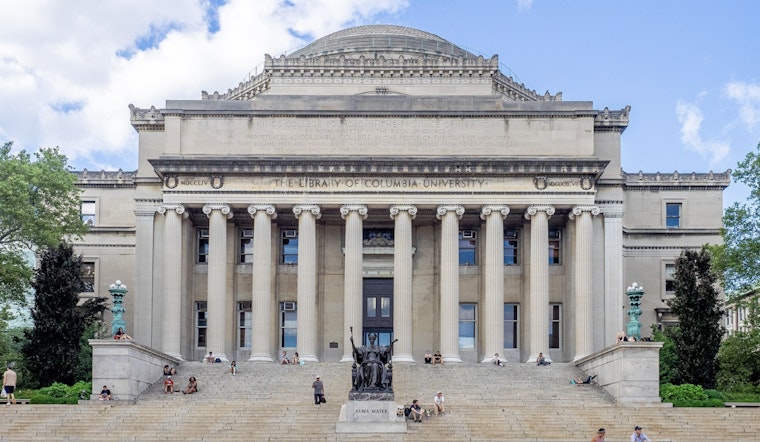
Two years after large pro‑Palestinian demonstrations roiled Columbia’s Morningside campus, the university’s gates remain mostly off limits to the general public, and neighbors say their daily lives are still paying the price. Longtime residents and local merchants describe rerouted trips to subway stops, more complicated grocery runs and sidewalks that feel noticeably thinner on foot traffic where there once was a steady stream of people. At the center of the fight is College Walk, the campus passage that has become the focus of regular rallies and an escalating court battle to force it fully open again.
Neighbors, Businesses Say Gate Lockdown Hurts
Local merchants and residents say the gate policy has squeezed neighborhood commerce as well as convenience. As reported by Gothamist, Richard Lipsky, who represents the Morton Williams supermarket on Broadway, told the outlet that foot traffic at the store has dropped about 20 percent since Columbia locked down its gates. At a recent rally, neighbors described daily detours that pile on extra blocks and stairs, creating particular headaches for seniors and people with mobility challenges.
Legal Challenge Targets "College Walk"
Four Morningside Heights residents have taken the fight to court, filing a petition in New York County Supreme Court that argues Columbia’s blockade of the pedestrian corridor known as College Walk violates easement conditions tied to the city’s conveyance of the street in the 1950s and unlawfully burdens people with disabilities. The Jan. 15, 2025 filing seeks declaratory and injunctive relief and contends that checkpoints and a QR‑pass system have effectively transformed what had functioned as a public passage into a restricted corridor, according to the petition. The plaintiffs argue the closure erects a six block barrier between Broadway and Amsterdam that predates the recent protests and has now hardened into everyday reality.
University Offers Limited Access Program
Columbia, for its part, points to a Campus Access Form that lets neighbors within a defined area apply for permission to cross the Morningside campus. The university has posted instructions on ID checks and access requirements on its community site. As Gothamist reported, nearly 1,000 community members have been approved through the program in the last year. Columbia presents the system as a safety‑minded compromise while it weighs broader access, and its neighbors page notes that guest access can be suspended or revoked for safety or operational reasons.
Protests, Politics and Security
The tight security traces back to the widespread campus demonstrations of spring 2024, which featured a protest encampment and the occupation of Hamilton Hall and prompted tougher checkpoints and an expanded security presence. Local outlets have chronicled repeated rallies by residents, students and faculty calling for the gates to reopen, and City Councilmember Shaun Abreu has publicly pressed Columbia to restore pedestrian access, according to reporting by the West Side Rag. Critics say the standoff has become a high profile example of the broader struggle over how elite universities juggle campus safety, free expression and obligations to surrounding neighborhoods.
What The Lawsuit Could Mean
If a court finds Columbia exceeded the rights it received when the city handed over the block that became College Walk, judges could order wider public access or curb the university’s ability to impose open ended, ID based closures. The petitioners say such a ruling is needed to restore decades of pedestrian use and prevent a temporary security clampdown from becoming permanent. Columbia has consistently said safety is its top concern and that access decisions are shaped by its Campus Safety Advisory Committee and public safety notices, according to university statements and Public Safety guidance. For now the issue sits before the courts while neighbors and elected officials keep up public pressure for a lasting solution that feels more like a campus gateway and less like a wall.




.jpg)