

























































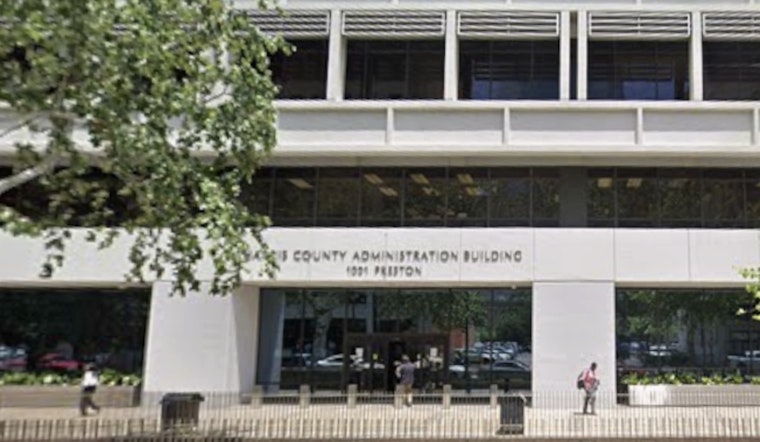
Harris County Commissioner Adrian Garcia is staying put on Commissioners Court, even after an appeals court ruled last Thursday that his 2021 appointment to the Gulf Coast Protection District was unlawful. The court said the move broke a long‑standing ban on officials appointing themselves to other posts they control and declared the appointment void from the start. But it stopped short of the political earthquake Garcia’s critics wanted: he does not lose his county seat.
Appeals Court: Appointment Void but No Vacancy
The First Court of Appeals held that the commissioners violated the common‑law rule that an appointing body cannot install one of its own members into an office it oversees, calling Garcia’s flood board appointment void ab initio. As detailed in the First Court of Appeals opinion on Justia, the panel concluded Garcia never legally held the second office. Because of that, the court said, he never automatically resigned his Precinct 2 post.
Plaintiffs Sought a Special Election and to Void Votes
The case was filed in August 2024 by Mark Goloby and Republican candidate Richard Vega, who argued Garcia’s service on the Gulf Coast Protection District created a “conflicting loyalty” that should have vacated his commissioners seat. According to the Houston Chronicle, the challengers asked a court to order a special election and to wipe out any 3‑2 Commissioners Court votes where Garcia was the deciding vote while the alleged vacancy existed. Vega told the Chronicle he plans to push the case to the Texas Supreme Court.
Harris County Named Its Flood Boss as a Replacement
Harris County quietly reset the board seat in August 2024, when it appointed Dr. Tina Petersen, executive director of the Harris County Flood Control District, to a Gulf Coast Protection District term that runs through June 16, 2027. The district’s press release played up Petersen’s flood‑risk credentials in announcing the move. The Gulf Coast Protection District announced the appointment in August 2024.
What the Ruling Means Legally
The appeals court said the self‑appointment rule applies even when the second post is unpaid, noting that such positions can still bring extra power and potential conflicts of interest. Because the court decided Garcia had not in fact resigned and the defendants were sued only in their official capacities, it held that governmental immunity stripped the trial court of subject‑matter jurisdiction. That was a key reason the challengers’ claims were dismissed. For the full breakdown, see the court’s opinion on Justia.
Even so, the plaintiffs say the fight is not over. The Houston Chronicle reports that Vega’s legal team is preparing to ask the Texas Supreme Court to decide whether the immunity and void‑appointment rulings really shut the door on the remedies they wanted. If the high court takes the case, it could spell out how far the self‑appointment doctrine reaches and whether someone in Vega and Goloby’s position can force the kind of do‑over they sought.
Practically speaking, the stakes go beyond a single political feud. The Gulf Coast Protection District, created by the Legislature in 2021, serves as a regional sponsor for major coastal projects, including parts of the Coastal Texas Project, and has the power to enter contracts, issue bonds and coordinate federal funding. The district’s public materials lay out those powers and why the makeup of its board matters to Harris County’s long‑term flood‑resilience strategy. The Gulf Coast Protection District also posts meeting minutes and reports that track that work.





