

























































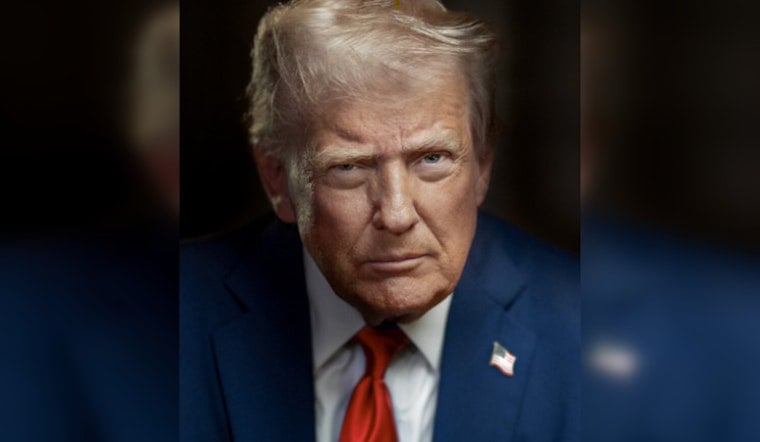
Senate Democrats are putting Big Pharma back in the hot seat, accusing major drugmakers of quietly hiking list prices on hundreds of medications even after they signed price-cut deals with the Trump administration. A new report from the lawmakers argues that those increases, coupled with sky‑high launch prices on new therapies, mean the White House’s TrumpRx program may not deliver much real relief for many patients. The findings arrive as drug pricing faces fresh scrutiny and louder calls for transparency from both industry and regulators.
What the report found
The report, released by Senate Democrats led by Sen. Bernie Sanders, says companies that agreed to the Trump administration’s pricing arrangements still raised list prices on hundreds of drugs and rolled out new products with eye‑popping launch prices. According to the analysis, newly introduced medicines carried an average list price of about $353,000 per year, and the manufacturers collectively reported profits of roughly $107 billion in 2024 and $177 billion in 2025. Gene therapies, cancer drugs and multiple sclerosis treatments are flagged as having especially hefty list prices, as reported by NBC News.
What TrumpRx promised
The White House promoted the TrumpRx portal as a way for cash‑paying patients to snag certain medications at steep discounts, pointing to "most‑favored‑nation" style deals as the key. But the Senate report argues that many of the touted discounts look a lot like the hefty coupons and price cuts already available on third‑party discount sites, raising an uncomfortable question about who is actually coming out ahead. The public portal listing participating drugs and prices is available at TrumpRx.
Numbers behind the hikes
Industry tracking shows the price bumps were not a one‑off. One trade analysis cited more than 800 brand‑name medicines that saw list‑price increases early this year, with a median boost of about 4 percent. That same coverage noted that several companies with voluntary TrumpRx discount agreements still raised prices across parts of their wider portfolios. Analysts quoted in the report warn that voluntary promises alone may fall short of taming list‑price inflation, according to PharmExec.
Big price tags and international gaps
The Senate document does not just speak in averages. It points to specific examples, including cancer drugs and other recent launches with annual list prices in the low to mid six figures, and gene therapies that reach into the millions. The report also highlights sharp differences between U.S. prices and those abroad. The multiple‑sclerosis drug Kesimpta, for instance, carries a significantly lower price in Germany and Canada than in the United States, and some oncology drugs are far cheaper in European markets than at home. Those comparisons and detailed price figures were outlined by NBC News.
Industry pushback and transparency concerns
Drug companies are not exactly staying quiet. Spokespeople argue that list prices are a crude metric that ignore rebates, discounts and the lower net prices paid by insurers and middlemen. Trade coverage and company statements stress that TrumpRx discounts are aimed at specific buyers or cash transactions, while researchers behind the Senate report counter that the opaque nature of these deals makes it nearly impossible to tell who is really benefiting. Both sides of the fight have been laid out for lawmakers and the public in industry coverage from PharmExec.
The Democrats’ report is likely to fuel more hearings, more pointed questions on Capitol Hill and more pressure from consumer advocates who want tougher rules on pricing and disclosure. For now, the document underscores a core tension in U.S. drug policy: targeted discounts and special deals can lower costs for some buyers while leaving headline list prices, and the financial pain many patients feel at the pharmacy counter, largely untouched.




.jpg)