

























































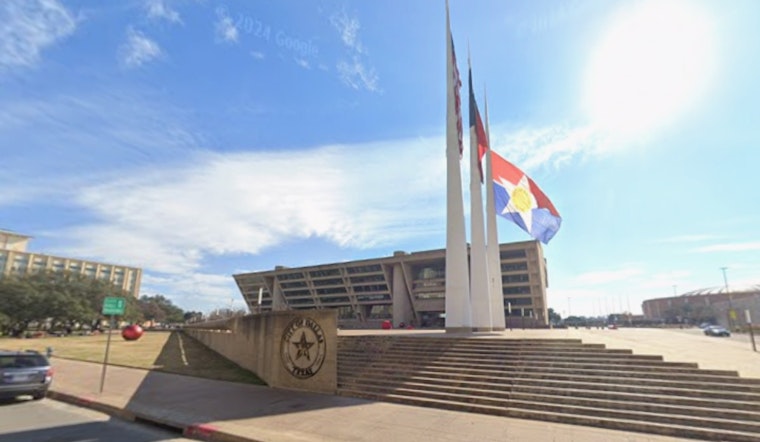
A routine agenda item at Dallas City Hall turned into a tense back-and-forth this week as the City Council considered a rule that would force churches and nonprofits to get permits before handing out free meals and supplies to people experiencing homelessness. The proposal would let the city decide where and how often groups can set up, while layering on basic food-safety rules. Council members wrapped up a heated Wednesday discussion without a deal, kicking the issue to next week for more debate.
What the proposal would do
The draft ordinance would require groups that distribute food on the street to obtain permits for outdoor events that serve people experiencing homelessness, giving the city more control over when and where those gatherings happen. It would also require simple precautions such as providing hand sanitizer and disposable gloves and would spell out basic administrative rules for vendors.
Some council members are wary. Council member Adam Bazaldua argued that the language is overly broad and “raises serious concerns, especially when it comes to religious freedom.” Mayor Pro Tem Jesse Moreno pressed City Code Compliance director Chris Christian on who is stuck with the cleanup costs after these events. Christian said much of the work falls to the Department of Transportation and Public Works and the city’s clean-sweep team, which is funded by a $36 yearly fee, and added that Downtown Dallas Inc. has covered contractor bills that have topped $100,000. Council member Cara Mendelsohn said she has not seen evidence of an increase in food-related illnesses that would justify additional regulation. As reported by The Dallas Morning News.
Legal risks and national context
Similar rules have produced mixed results in courts across the country, with outcomes hinging on the exact wording of an ordinance and how it is enforced. One of the key cases is First Vagabonds Church of God v. City of Orlando, in which the 11th U.S. Circuit Court of Appeals weighed whether cities can limit large public feedings, a ruling that both municipal attorneys and civil-liberties advocates still study when they size up restrictions on food sharing. See Justia.
National research has also mapped a broader pattern of local laws that restrict food sharing and other activities that serve people experiencing homelessness. Advocates warn that permit systems, even when framed as neutral public-health tools, can discourage volunteers and faith groups from doing outreach in the first place. See NYU Law Review and the National Law Center’s Housing Not Handcuffs.
Volunteers say they’re filling a gap
On the ground, faith-based groups and independent volunteers say they are covering needs that the city’s patchwork shelter network cannot always meet. Many of them regularly set up in the parking lots behind Dallas City Hall and along South Ervay Street, where people already congregate and services are easier to reach.
Those volunteers worry that a new permit process, extra training, or caps on the size or frequency of gatherings would slow down routine outreach or push it to locations that are harder for people on the street to access. Advocates told council members that these food distributions are often the first point of contact that connects people to housing programs, health care, and other services. As reported by The Dallas Morning News.
What’s next
The measure remains on the council agenda, with a return debate and possible vote slated for Wednesday, April 22, 2026. Several members signaled they may try to narrow the ordinance before it comes up for final action.
If the council ultimately signs off on a permit requirement, the real fight may only be starting. Stakeholders say the next chapter could unfold in court or in a lengthy rulemaking process as the city tries to balance sanitation and public-safety goals against the need to keep volunteer outreach alive. For now, the clash at City Hall underscores a familiar dilemma for big cities: how to keep streets clean and food safe without sidelining the churches and neighbors who show up with hot meals.



