

























































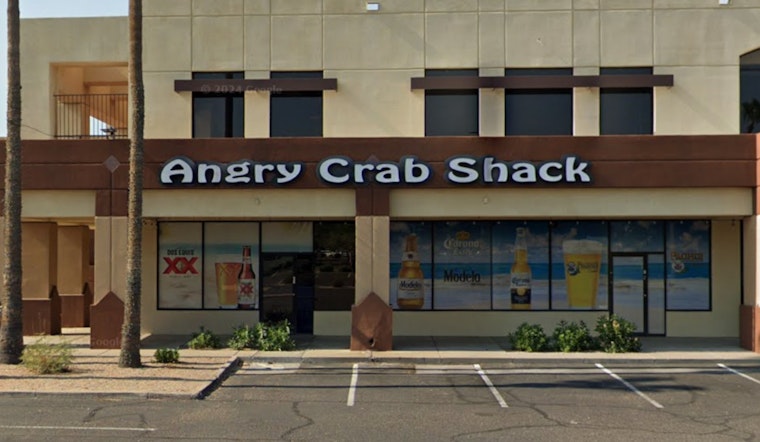
This week’s Dirty Dining roundup did not do any favors for Phoenix's appetites. Maricopa County inspectors reportedly found a dead lobster in a tank, expired chicken, and several other major safety lapses at Valley eateries. Those violations, which included missing sanitizer at prep stations and foods held at unsafe temperatures, are the kind of "priority" failures that can raise the immediate risk of foodborne illness for diners.
According to Arizona's Family, this week's Dirty Dining report pulled details from Maricopa County inspection notes and flagged a dead lobster in a display tank, cooked or prepared chicken past its discard date, the absence of sanitizer at sinks, and multiple temperature-control problems. The station's roundup compiles those county inspection forms for viewers and readers, and points to the underlying reports for specifics.
Where to find the inspection records
Maricopa County posts the full inspection reports and grade cards online through its Restaurant Ratings search tool, where you can look up a business by name or address to see violations and any corrective actions. The county's site notes inspection reports are public records and are retained for three years after the inspection date. Maricopa County
Why temperature and sanitation matter
Foods held in the so-called "danger zone" between 40°F and 140°F can allow bacteria to multiply rapidly, and expired poultry or unsanitized prep areas increase the chance of contamination. The CDC warns that bacteria grow quickly in that temperature range and recommends keeping cold foods at 40°F or below and hot foods at 140°F or above to limit the risk of foodborne illness. That is why the county treats missing sanitizer and time-temperature failures as priority violations. CDC
How the county responds
When inspectors log priority violations, Maricopa County can require immediate corrective action and schedule follow-up checks; if problems persist or are severe, officials may issue administrative citations or temporarily suspend a facility's permit. As noted in Hoodline's coverage, detailed in its report on how inspectors bust East Valley eateries, the county's grading matrix and enforcement guidance outline when inspectors escalate from warnings to tougher measures.
What diners can do
If a menu item or kitchen practice gives you pause, you can check the county's Restaurant Ratings database before you go and read the weekly Dirty Dining roundup for a short, reporter-compiled summary of inspection notes. Arizona's Family Dirty Dining links directly to the county reports, making it an easy place to scan recent violations across the Valley.
Inspection records will show when restaurants correct flagged problems or when the county returns for reinspections; readers can use those public files to judge whether an eatery has fixed its issues. We will monitor the records and update this story if inspection results are amended or businesses post corrective actions.





