

























































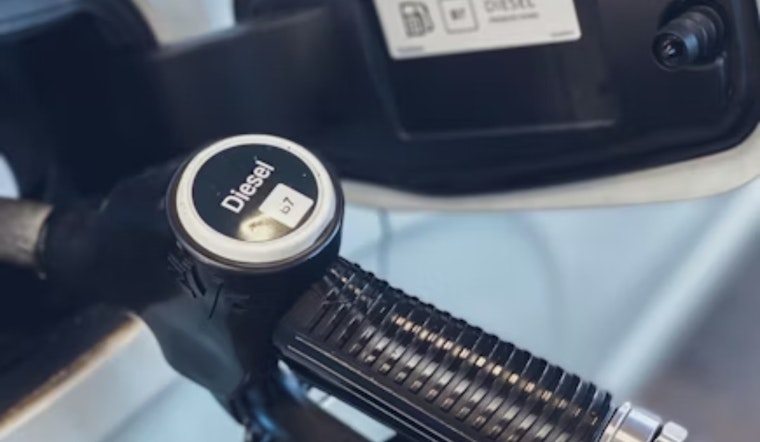
Denver Public Schools is taking a hit at the pump. The district says a sharp jump in diesel prices has blown up its school bus fuel tab, forcing transportation officials to eye route tweaks and budget shuffles to keep everything rolling.
The district typically sets aside about $1.2 million a year for bus fuel, and with hundreds of buses on the streets each school day, that money usually stretches across the school year. Now, transportation leaders say a steep increase in what they pay per gallon is putting real pressure on that plan.
As reported by Denver7, Albert Samora, DPS's executive director of transportation, said the district was paying about $2.44 per gallon at the end of the calendar year and is now paying roughly $4.33 per gallon, which he described this way: "So we've seen a 44% increase." According to Denver7, DPS runs nearly 300 buses, and diesel makes up about 82% of the fleet, which means most of those vehicles are feeling the spike.
Diesel Spike Tracks National Market Jolt
The sticker shock is not just a Denver problem. Federal energy data show the price jump is part of a broader national surge. The Energy Information Administration's weekly update has U.S. on-highway diesel prices well above $5 per gallon in early April, with especially big gains in the Rocky Mountain region, according to the EIA. Those regional and national swings help explain why local vendor bids and fuel contracts have suddenly turned volatile for school districts.
District Eyes Short-Term Patches
Samora told Denver7 that DPS has a bit of cushion in this year's transportation budget, at least for now. If prices stay high, he said the district could shift money from other transportation line items or look at adjusting walk distances and bus routes to stretch fuel dollars. He also indicated that district leaders could revisit transportation budgets in December if the price pain lingers.
As a longer-term hedge, DPS is working to bring more electric buses into the fleet, although officials note that a full swap from diesel to electric would come with hefty upfront costs. DPS outlines multi-year goals for adding zero-tailpipe emission buses and notes that the district currently has a small number of electric buses as it ramps up purchases.
Electric Buses Carry Heavy Price Tag, Even With Help
Local reporting and state grant programs have detailed just how expensive that transition is. Recent coverage puts electric school buses in the roughly $400,000-plus range, while diesel models cost a fraction of that, which means districts depend heavily on grant programs and federal funding to make electric purchases possible. The Colorado Sun has tracked DPS's early electric bus purchases and long-term fleet targets, and KOAA has reported on recent state awards intended to help close that price gap. Even with outside funding, districts still have to cover costs for chargers, transformers and utility upgrades that stack on top of the bus price.
For now, DPS says families should expect regular bus service while transportation officials monitor fuel markets and keep an eye on upcoming grant opportunities. School board watchers note that any significant changes to routes or transportation budgets would typically be announced with time for families to adjust. District leaders say they are tracking prices and vendor options closely as they attempt to balance daily operations with longer-term efforts to rein in costs and cut emissions.




