

























































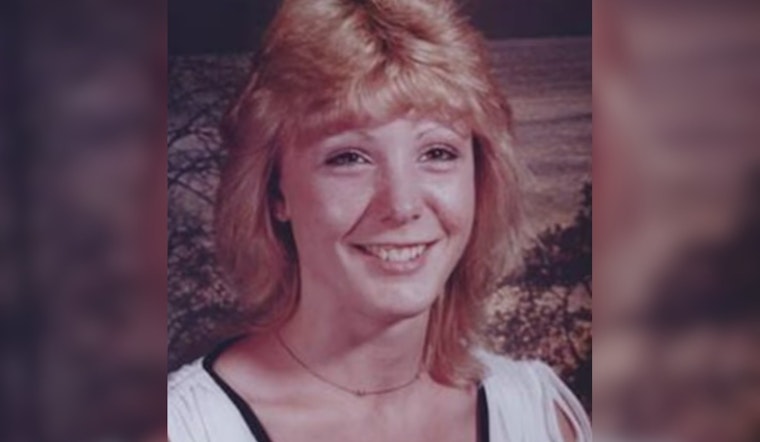
Michigan State Police say they have finally identified the man responsible for the 1983 abduction and killing of 16-year-old Sheri Jo Elliott, closing a case that has haunted mid-Michigan for more than four decades. Investigators say DNA recovered from Elliott's body was matched to tissue collected during the suspect's autopsy, confirming the link after the case was reopened in 2023. The man died before he could be charged.
Elliott was reported missing on November 16, 1983, after she did not come home from school. She was last seen waiting for a bus, and four days later her body was discovered on a rural road in Blumfield Township in Saginaw County. According to CBS Detroit, police said she had been sexually assaulted and suffered multiple gunshot wounds.
How investigators closed the gap
Detectives with the Michigan State Police Third District reopened the case file in 2023 and took another hard look at the preserved evidence using modern forensic tools that did not exist when Elliott was killed. Working with the MSP Forensic Science Division and Othram Labs, investigators used forensic-grade genome sequencing combined with genetic genealogy to build a detailed DNA profile that pointed to a potential suspect. That scientific work and the resulting identification were reported by ClickOnDetroit.
Students helped digitize decades of material
Behind the scenes, students in Western Michigan University's Cold Case Program helped detectives tame a mountain of old files. They reorganized, indexed and digitized decades of investigative paperwork so that timelines, names and leads could actually be searched instead of shuffled through in boxes. The university notes that this hands-on work, which includes transcribing interviews, building digital case files and assembling searchable timelines, has become a key part of how Michigan State Police revisit older investigations. As detailed by Western Michigan University's Cold Case Program, student teams have assisted in multiple recent cold-case breakthroughs.
Identification but no prosecution
Authorities ultimately identified the suspect as 75-year-old Roni Collins of Grand Blanc. According to investigators, Collins died by suicide in January 2026, before they were able to collect a voluntary DNA sample from him. Tissue obtained during his autopsy was later tested and matched to the DNA evidence recovered from Elliott. "Although Collins will not face prosecution, detectives believe the identification provides long-awaited answers to Elliott's family and the community," the Michigan State Police Third District said in a statement reported by CBS Detroit.
What this means for cold-case work in Michigan
Investigators and criminal justice advocates say the case underscores how forensic genetic genealogy and advanced sequencing are reshaping what is possible in long-dormant investigations. Western Michigan University's cold-case program, which has been credited with multiple solves, depends on continued state funding to keep that work going, a recent Michigan Public report notes. The outcome has fed into ongoing debates in Lansing about how much to invest in cold-case units and how to structure partnerships between universities and law enforcement.
For Elliott's relatives and the Flint community, the identification offers long-sought answers even as it closes the door on any criminal trial. Michigan State Police are asking anyone with additional information about the case to contact the Third District Cold Case Unit.





