

























































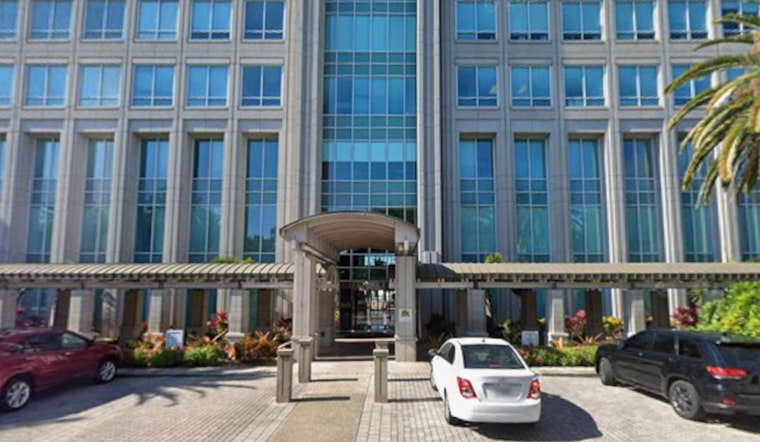
CliftonLarsonAllen, the national accounting and advisory firm with a sizeable St. Louis presence, is weighing a jump from its downtown tower to Clayton, in a move that could further shake up the city’s already fragile central business district. The shift, still under consideration, would affect roughly 210 local employees and add fresh uncertainty to an office market already on its heels.
The potential relocation was first reported by the St. Louis Business Journal, which reports that firm leaders are reviewing their options as downtown vacancies climb. The outlet frames the possible move as part of a broader wave of tenants hunting for newer, amenity-rich space outside the core.
Downtown Vacancy Climbs While Clayton Holds Steady
Regional market data show just how stark the split has become. Downtown vacancy surged in recent quarters, with the central business district ending 2025 at a 28.4% vacancy rate, according to a Cushman & Wakefield market note. The same report puts Clayton’s overall vacancy at about 15.4%, with asking rents near $29.43 per square foot, a spread that helps explain why companies are drifting toward higher-quality suburban offices.
Those gaps have left downtown landlords sweetening the pot with bigger concession packages in an effort to hang on to existing tenants or pitch older towers for new uses. Each large tenant that even considers a move adds a bit more pressure to the equation.
Why Tenants Are Choosing Clayton
Local brokers point to a clear “flight to quality” trend: firms want modern buildings, flexible layouts, on-site amenities and easier parking or transit access, a pattern highlighted in regional brokerage notes from NAI DESCO. Clayton, with its steadier leasing and positive absorption, has become a go-to destination for companies trying to coax hybrid workers back into the office with a better day-to-day experience.
CliftonLarsonAllen’s St. Louis office is currently listed downtown and serves a wide range of audit, tax and advisory clients in the region, according to the firm’s office page. A move by a tenant of this size would put more large blocks of space back on the market in an already soft downtown submarket and could ripple through nearby restaurants, retailers and services that rely on weekday office crowds.
Industry research suggests this story is not a one-off. Cushman & Wakefield notes that “flight-to-quality will continue to impact the St. Louis market,” a trend that keeps older CBD buildings under sustained pressure. For downtown landlords and city officials, the open questions are whether incentive packages, building upgrades or full-on repurposing plans can slow the bleed, and how quickly CliftonLarsonAllen makes its call on where it wants to land next.





