

























































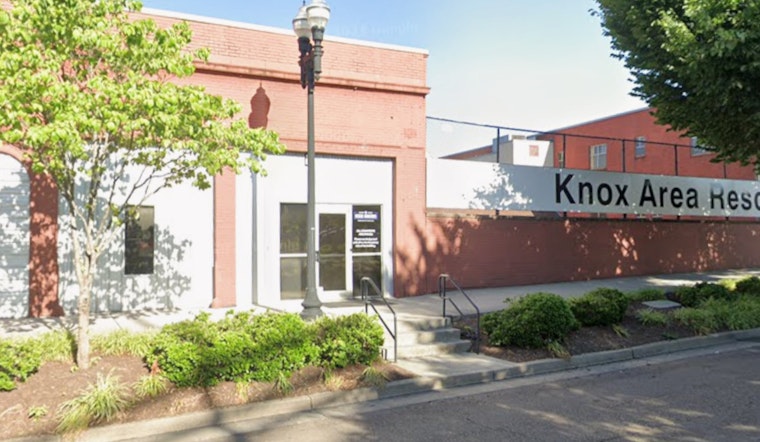
Knox Area Rescue Ministries is overhauling how its downtown shelter runs, shifting from open‑ended stays to a tight 28-day cap that staff hopes will push people more quickly toward permanent housing. During that window, guests are offered emergency shelter while staff work on immediate crises, health needs, and direct connections to housing programs. KARM leaders say the goal is simple: make the shelter a short bridge to stability, not a long‑term place to land.
As detailed by WATE, the new approach centers on a defined 28-day emergency period and borrows from peer programs including Shelter KC, Denver Rescue Mission, Atlanta Mission, and Cherry Street Mission. WATE reports that KARM aligned its timeline with recommendations from the National Alliance to End Homelessness and will use those four weeks for triage, health screening, and housing-focused case management. Staff may also make a bed available even if a guest declines services, and people who leave or disengage are welcome to return and reconnect when they are ready.
Knox Area Rescue Ministries operates a 24/7 campus downtown that offers meals, medical care, and shelter, and the organization says it typically houses more than 300 people each night. According to KARM, the 28-day framework is meant to cut long‑term dependence on shelter beds and open clearer pathways into rapid rehousing, permanent supportive housing, and other long‑term options. KARM leadership points to recent program expansions, including a growing Home Care program and planning for a Women & Children’s campus, as part of a broader strategy to move more neighbors into stable homes.
Why KARM Is Making The Shift
National guidance has steadily moved toward treating emergency shelter as a short, housing-focused intervention rather than a permanent destination. The National Alliance to End Homelessness highlights "housing‑focused, rapid exit services" as a core ingredient of effective emergency shelter, and that guidance, along with examples from other cities, helped shape KARM’s 28-day timeline. Locally, reporting has documented strain on Knoxville’s winter shelter network and warming centers as officials try to serve more people with limited bed capacity, a pressure point Hoodline examined when the city debated changes to cold‑weather shelter triggers.
How The Model Will Work
Under the revamped model, KARM staff will spend those 28 days trying to stabilize guests quickly by addressing medical and behavioral health needs, setting housing goals, and pairing each person with a case manager. According to KARM, the approach emphasizes low‑barrier entry, on‑site services, and referrals into programs that can place people into permanent housing. The shorter, more structured stays are designed to boost bed turnover so the same number of bunks can serve more people over time.
City and housing officials say the change fits with Knoxville’s broader housing-first emphasis. Erin Read, executive director of the Knoxville‑Knox County Office of Housing Stability, told WATE that "KARM’s new service model will provide what is really needed in emergency shelter: a temporary refuge and an open door to housing." Her role coordinating local warming centers and housing initiatives is documented on the City of Knoxville’s housing pages.
The policy shift will be closely watched by service providers and advocates as Knoxville tries to move more people indoors in a tight housing market. KARM says it will track outcomes, tweak operations as needed, and keep up outreach efforts to reconnect with neighbors who leave before engaging in services. For now, the shelter remains open, and KARM is asking for continued community support as it rolls out the new model.





