

























































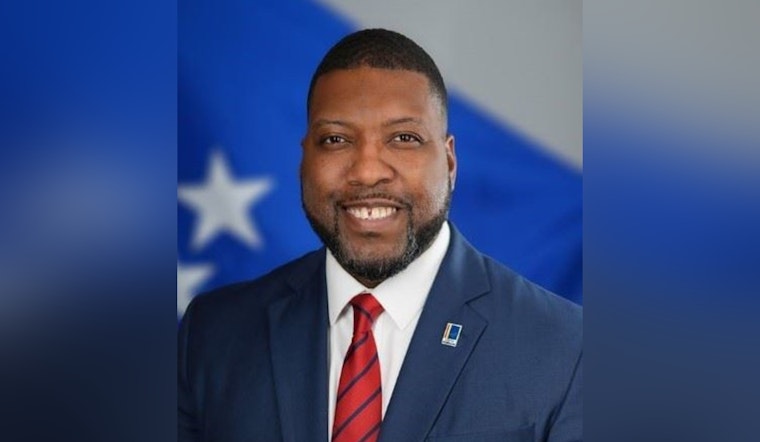
Durham Mayor Leonardo Williams used his State of the City address on Wednesday to say he “refuse[s] to give up” on stopping a recent surge in shootings, while rolling out an aggressive, numbers-driven plan to reduce homelessness. He linked public safety and housing as problems that feed each other and said real progress will take more funding, tighter partnerships with local universities and new community-run teams focused on changing neighborhood outcomes.
City data cited by Williams show the sense of urgency is not just rhetorical. Through mid February, 22 people had been shot in Durham, and another seven people were shot between Feb. 12 and 19, a stretch that pushed the mayor to call for a more coordinated response. He announced a summer summit to shape a formal violence-reduction plan and said the city will recruit and train community-managed "street safety teams" as part of a phased strategy, according to WRAL.
Mayor Taps National Experts and Neighborhood Teams
Williams said he plans to bring in national violence-reduction practitioners and work closely with city partners to design the effort, including a collaboration with the Violence Reduction Center at the University of Maryland and a slate of public learning sessions. The plan follows a public-health style model built around prevention, community intervention and wrap-around services, and Williams stressed that it has to be "community driven" if it is going to stick. WUNC has highlighted the mayor's focus on partnership and community-led teams.
Bold Homeless Targets and a Five-Year Deadline
The mayor also mapped out a timeline to sharply reduce homelessness. In the first year, his goals include cutting youth and young-adult homelessness by about 50 percent, reducing unsheltered and veteran homelessness by roughly 30 percent and bringing down family homelessness by about 10 percent. Williams said his administration hopes to raise $5 million in the first year toward a broader $13 million plan, with the intent to hit the five-year benchmarks by June 2031, as reported by WRAL.
Duke's HomeGrown Pledge Could Amplify Local Spending
Williams said the push will depend heavily on public-private partnerships and pointed to Duke University's new HomeGrown initiative as a key piece. The roughly $203 million, three-year commitment includes plans to boost capital-project spending with Triangle construction firms by about $120 million. City leaders say that more local contracting and hiring could open up pathways into both housing projects and community safety work. Duke Today detailed the university's pledge and its focus on local priorities.
What's Next and What to Watch
For now, Williams has sketched out a short list of immediate steps: hold the summer summit, start recruiting volunteers for the street safety teams and kick off fundraising to support the homelessness goals while city staff build out measurable milestones. Community groups and council members have signaled cautious support for a more coordinated strategy, but they are also calling for specific budgets and performance metrics, concerns that have surfaced repeatedly in recent debates over youth programs and housing efforts. INDY Week has tracked the mayor's continuing emphasis on youth services and housing resources.





