

























































An overnight fire ripped through an East Las Vegas apartment early Monday, critically injuring one resident and sending them to a local hospital, authorities said. Even as flames pushed into the building's attic, firefighters managed to corral the blaze to a single unit.
What happened
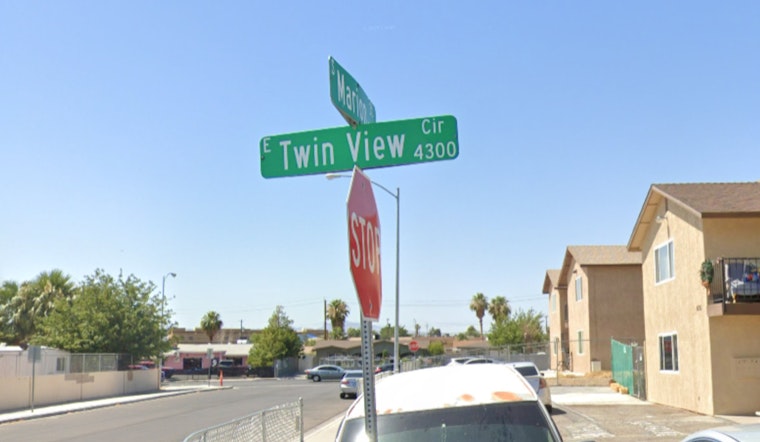
The fire was reported around 12:04 a.m. in the 4300 block of Twin View Circle, near Vegas Valley Drive and Lamb Boulevard, Clark County Assistant Fire Chief Kevin Lunkwitz said in an email. When the first crew pulled up, they found heavy fire already extending into the attic, and an occupant outside at the base of the stairs suffering from thermal injuries and smoke inhalation. That person was taken to Sunrise Hospital in critical condition.
Crews stretched hose lines, knocked the blaze down by 12:17 a.m., and had the scene under control by 12:23 a.m., keeping the damage contained to the single apartment, according to KSNV.
County fire data
According to the Clark County Fire Department's 2024 summary, firefighters responded to 5,496 fire incidents and recorded 37 civilian fire injuries last year, a reminder of how often crews across the valley are rolling out to structural blazes. The figures, pulled from the department's public annual report, also underscore ongoing prevention and inspection work in unincorporated Clark County, per the Clark County Fire Department.
Investigation underway
Fire investigators were called out to determine where and how the blaze started, but officials have not yet released a cause, according to KSNV. Authorities have not provided any further updates on the victim's condition beyond the initial transport in critical condition.
How residents can protect themselves
The American Red Cross of Southern Nevada urges residents to test smoke alarms regularly and practice two-minute escape plans, and it offers free smoke alarm installations through its Sound the Alarm program. More information and registration are available at SoundTheAlarm.org/Nevada, according to the Red Cross. People living in multi-unit buildings are also encouraged to make sure their complex keeps detectors in working order and evacuation routes clear.


