

























































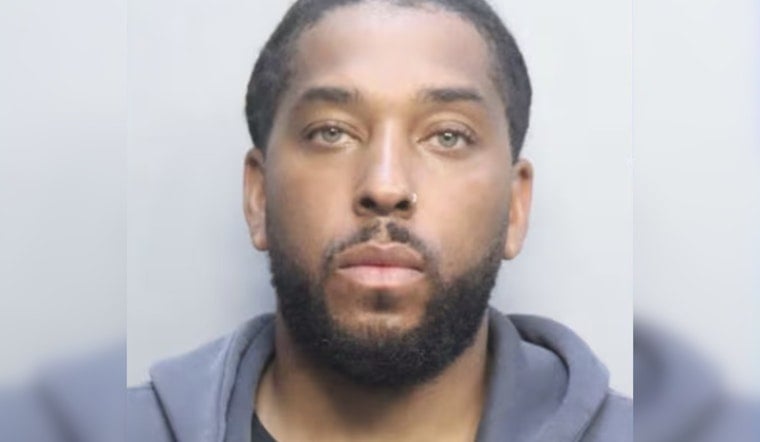
What looked like dream deals in Miami’s brutal rental market has landed one Edgewater resident behind bars. Miami police arrested a 34-year-old man this week, accusing him of running a months-long rental scam on Facebook Marketplace that drained would-be tenants of thousands of dollars.
Investigators say the suspect posted fake apartment listings, handed over bogus lease paperwork and even walked people through units on video to make it all look legitimate. Once deposits were sent, they say, the communication stopped cold. Officers took the man into custody outside his Edgewater apartment, and he is being held at the county jail while the case moves forward.
Police identified the suspect as 34-year-old Nathan Tyler Guy and said the probe, which ran from September 2025 through February 2026, revealed a pattern of false listings, FaceTime-style showings and phony lease agreements. The arrest report states that Guy “engaged in a systematic scheme to defraud multiple victims.” Jail records list charges that include organized fraud of $50,000 or more, second-degree grand theft and six counts of third-degree grand theft.
According to investigators, victims paid deposits ranging from a $1,000 cash hold to roughly $19,000 in rental payments. One alleged victim also handed over $35,000 for what they believed was a real estate investment that never materialized. Officers say they seized two iPhones, an iPad and a MacBook during a search of the Edgewater apartment, according to WPLG Local 10.
How The Alleged Rental Hustle Worked
Police say the Facebook setup in this case fits a wider national playbook. Scammers often copy real listings, then rush potential renters through quick video tours and push for money before anyone ever sets foot inside a unit.
Per an April 2026 data spotlight from the FTC, scams that begin on social media caused billions in losses last year, and roughly half of fake rental listings were posted on Facebook. Local fraud advisories warn that peer-to-peer payment apps such as Zelle, Venmo and Cash App are popular in these schemes because the transfers can be hard to reverse, which makes recovery tougher for victims. The Larimer County Sheriff’s Office, for example, flags those payment methods as top red flags for marketplace fraud, according to Larimer County.
Why Renters Keep Getting Burned
Fraud trackers say scammers frequently lift photos and descriptions from legitimate listings, then repost them at below-market rents to pull in desperate applicants. Analysts who study marketplace scams say the script often leans on urgency, polished language and detailed backstories to build trust fast.
That combination makes it easy for stressed renters to skip basic checks and send money to someone they have never met in person, which is exactly how many victims get caught, according to FlagMyListing.
Charges And What They Mean
Jail records show Guy is charged with organized fraud of $50,000 or more, a second-degree grand theft count and multiple third-degree grand theft counts, per WPLG Local 10. Under Florida law, an organized scheme to defraud that pulls in $50,000 or more can be prosecuted as organized fraud, which is punishable as a first-degree felony, according to Florida Statutes §817.034.
How To Protect Yourself
Consumer advocates say a few extra steps can keep you from learning the hard way:
- Verify the property owner through county tax or property records.
- Insist on an in-person showing and be wary of excuses about why you “can’t see it yet.”
- Avoid sending deposits or rent via peer-to-peer apps unless you have fully confirmed who is on the other end.
The ReportFraud.ftc.gov site operated by the FTC allows renters to report suspicious listings and any money lost. The FBI also urges victims of online fraud to file an Internet Crime Complaint at IC3.gov. If you made a payment through your bank or a payment app, contact your financial institution immediately to ask whether a Zelle or other transfer can be reversed.
Anyone who believes they were a victim in this case, or who has information that could help detectives, is asked to contact Miami-Dade Crime Stoppers at 305-471-8477 or submit an anonymous tip via CrimeStoppers305.com. Police say the investigation remains active and they want to hear from anyone who suspects they were targeted so they can identify additional possible victims.




