

























































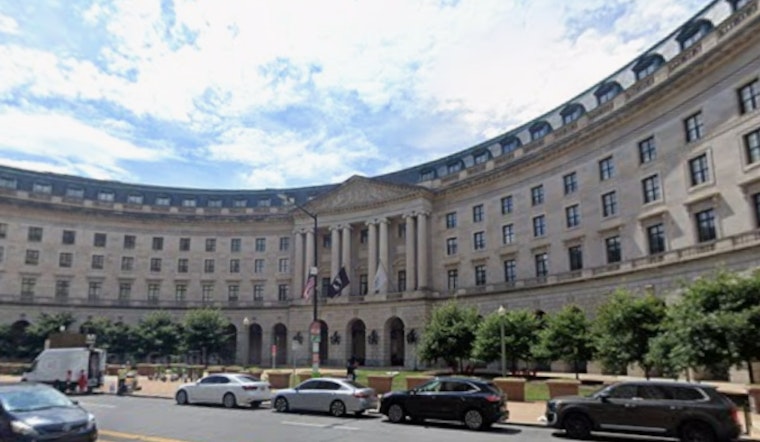
Treated wastewater is stepping into the national spotlight, and North Texas is one of the star examples. Today, the U.S. Environmental Protection Agency relaunched a nationwide effort to expand the reuse of treated wastewater, pitching reclaimed water as a way to stretch scarce supplies for communities and industry. Administrator Lee Zeldin was scheduled to outline the updated Water Reuse Action Plan 2.0 at EPA headquarters in Washington, D.C., saying reuse is more important than ever. The relaunch links water recycling to economic priorities, from data center cooling to manufacturing, and encourages both potable and nonpotable projects. Officials and planners point to North Texas projects as proof that wetlands, pipelines and treated effluent can boost supply without building new reservoirs.
As reported by The Dallas Morning News, the plan, dubbed WRAP 2.0, does not create new federal rules. Instead, it "encourages collaborative partnerships" with state and local authorities to expand reuse. The News quotes Zeldin and frames WRAP 2.0 as part of an economic agenda that links water resilience to industry and the growing demands of artificial intelligence infrastructure.
What WRAP 2.0 aims to do
According to the EPA, WRAP collaborators have developed hundreds of resources and updated actions to help communities and utilities plan, finance and operate reuse projects. The agency highlights technical tools, an online platform for action leaders, and quarterly updates that are meant to accelerate projects that treat wastewater to remove contaminants for industrial cooling, irrigation, aquifer recharge or potable reuse where state rules allow. WRAP 2.0 is presented as a collaborative implementation effort rather than a federal regulatory mandate.
Texas is already planning for reuse
As outlined in the Texas Water Development Board's April meeting agenda, the agency is preparing to publish a draft of the 2027 State Water Plan for public comment as it folds together 16 regional plans. Voters last year approved Proposition 4, which could dedicate up to $1 billion a year to a Texas Water Fund, an amount advocates estimate could total roughly $20 billion from 2027 through 2047, a possibility explored in post-vote analyses by Texas 2036 and state documents.
North Texas projects show reuse can scale
One prominent local example is the North Texas Municipal Water District's East Fork Water Reuse Project, a 1,840-acre constructed wetland that NTMWD says was designed to filter treated wastewater before pumping it back to Lavon Lake and returning tens of millions of gallons per day to the regional supply. NTMWD notes the wetland removes sediment and nutrients at scale, a strategy that officials argue is more cost-effective than building new reservoirs. Dallas Water Utilities also uses highly treated effluent to irrigate municipal golf courses, a practice described in Dallas Water Utilities conservation planning documents.
Barriers and unanswered questions
Researchers and utilities caution that scaling reuse raises practical and policy questions. Regulatory authority still rests with states, monitoring for emerging contaminants like PFAS remains uneven, and long-term funding and public acceptance are not guaranteed. A review in npj Clean Water highlights governance gaps and monitoring challenges that will need to be resolved as reuse moves out of pilot projects.
What to watch next
Beyond planning documents and splashy announcements, the real test for WRAP 2.0 will be whether utilities can turn commitments into built projects and whether financing keeps up. The EPA's WIFIA loan program has been used to back water reuse investments and provides one potential vehicle to move projects from concept to construction, according to the EPA. Meanwhile, the Texas Water Development Board's rollout of the 2027 State Water Plan and local project approvals in North Texas will be early indicators of whether the federal relaunch translates into tangible new capacity.





