

























































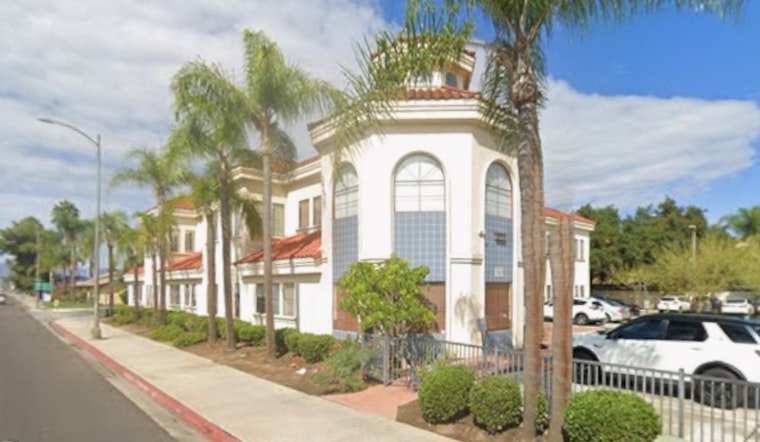
The McAlister Institute’s North Inland Regional Recovery Center in Escondido has wrapped up a renovation and expansion that staff say is already letting them treat more people experiencing homelessness and substance use disorders. Before the work, the site served about 120 clients a month. Staff now report seeing roughly 170 clients monthly, with room to get close to 200 as the revamped operation settles in. The changes range from cosmetic upgrades to new intake procedures, all meant to move people into care more quickly and make short stays less chaotic for those in crisis.
Renovations Focused On Comfort And Faster Intake
Ana Davies, program manager at McAlister Institute, said the organization moved ahead with the Escondido expansion to reach more people who are unhoused or actively using drugs, according to FOX5 San Diego. The upgraded facility now includes individual rooms, more natural light, plants and updated furnishings that are meant to soften the environment and make it feel less clinical, FOX5 reported. Staff say the layout and design are also intended to streamline assessments so people can be brought into services more quickly. McAlister’s program listings identify the North Inland Regional Recovery Center at 200 East Washington Avenue in Escondido.
Capacity Boost And A Push To Help Clients Stay
The facility "can now support up to 170 clients" following the renovation, according to The Coast News Group, which reported that staff view the redesign as a way to help people feel safer and more welcome when they walk in. The outlet published a statement from Davies saying the center wants every person who arrives to "feel safe, comfortable, and like they belong." Staff say the added private spaces and brighter rooms are meant to improve the odds that clients will stay engaged in short-term recovery services instead of leaving early.
County Funding And A Bigger Behavioral Health Buildout
The Escondido project is one piece of a larger county effort to add behavioral health capacity. A San Diego County board letter describing Bond BHCIP awards shows McAlister Institute was included in a funding round that supports new residential treatment beds and co-located outpatient services, according to San Diego County Behavioral Health Services. The county document outlines plans that include adding residential beds and expanding outpatient slots linked to the Escondido project and related programs.
Local Need Remains High
The demand for services in North County is still substantial. The Regional Task Force on Homelessness counted 538 people experiencing homelessness in Escondido in its 2025 city report, including more than 300 people living unsheltered. According to the Regional Task Force on Homelessness, those figures highlight an ongoing need for treatment, shelter and short-term stabilizing services in the area. Providers and local officials say that adding treatment slots is just one piece of a wider strategy that also aims to connect people with housing and longer-term care.
People who have completed McAlister Institute programs told reporters the changes at the Escondido center matter. One client, Kenny Brothers, told FOX5 San Diego he started using methamphetamine as a teenager and was approaching a year of sobriety, marking May 12 as a personal milestone. Other former clients quoted by the station credited the staff support and calmer atmosphere with helping them begin long-term recovery.
People seeking treatment or more information can find program details and contact information on the McAlister Institute website. The agency continues to operate county-contracted detox and reentry programs throughout San Diego County, according to McAlister Institute. For many Escondido residents, the renovated North Inland Regional Recovery Center will serve as one of the closest walk-in options to start withdrawal management, counseling, and referrals to housing support.





