

























































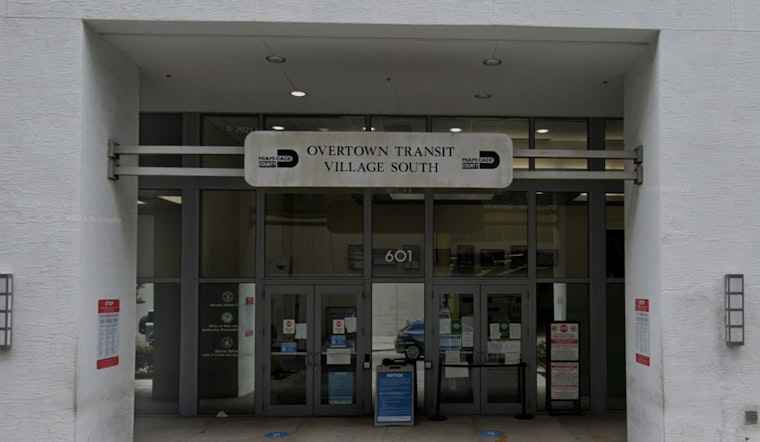
Miami-Dade's ethics watchdogs have turned up the pressure on a key housing official, finding probable cause that he may have crossed the line in how public money and power were used.
The Miami-Dade Commission on Ethics and Public Trust on Wednesday found probable cause that Edwin Miller, the housing program administrator at the Miami-Dade Economic Advocacy Trust (MDEAT), may have misused his office in a procurement process and held conflicting outside employment. The finding caps a months-long inquiry into Miller’s ties to outside nonprofits and a run of internal personnel complaints at MDEAT. Miller has disputed the allegations.
According to an investigative report summarized by The Miami Times, investigators concluded that Miller “participated in misconduct” by giving the Black Business Investment Fund (BBIF) an unfair edge in an MDEAT procurement. The report flags possible violations that include exploitation of official position, conflicting employment, prohibited outside work and public records issues. It also recommends that the case be referred to the Miami-Dade Office of the Inspector General for a closer look.
The ethics probe intersects with a separate civil lawsuit filed by a former MDEAT employee. In an amended complaint submitted in August 2024, ex-staffer Vincent Burnett alleges he was unlawfully retaliated against after raising concerns about Miller. The filing cites HRFEP correspondence that, according to the complaint, says witnesses corroborated inappropriate conduct and that Miller violated county equal employment policies.
Timeline and workplace complaints
Public records and local coverage show tensions inside MDEAT have been simmering for more than a year. Internal HR memos recommended training and other corrective steps after staff complaints surfaced. Burnett was hired in May 2022 and was terminated in April 2023 while those internal investigations were underway. His lawsuit, along with HR correspondence, helped draw early attention to Miller’s management style.
WLRN and other local outlets have followed the related personnel disputes as well as MDEAT’s delayed disparity study, which piled on additional pressure inside the agency.
What comes next
A probable cause finding typically sets the stage for a public hearing before the Ethics Commission and can open the door to additional administrative or criminal review. County ethics rules spell out a process that can include public hearings and formal orders of discipline, and the commission can refer matters to the Office of the Inspector General for an independent investigation.
Guidance from the Miami-Dade Commission on Ethics & Public Trust and the Office of the Inspector General outlines how complaints like this typically move forward, from investigative review to any potential sanctions.
Why it matters
MDEAT oversees surtax dollars and housing programs that are supposed to expand homeownership and support affordable housing, a big deal in a county where the cost of living keeps outpacing local paychecks. Local housing advocates estimate that Miami-Dade is short more than 90,000 units that are affordable to households earning up to about 75,000 dollars a year, which makes tight oversight of contract awards and funding decisions even more critical. Miami Homes For All
Responses and next steps
Miller has denied the accusations in a statement to reporters, saying he did not exploit his position. MDEAT’s leadership has said the agency will cooperate with whatever review the Ethics Commission orders.
The Ethics Commission has not yet scheduled a public hearing in the case. If one is set, it will be open to the public and could feature testimony from county employees and outside contractors as the county tries to sort out what happened inside one of its key housing offices.





