

























































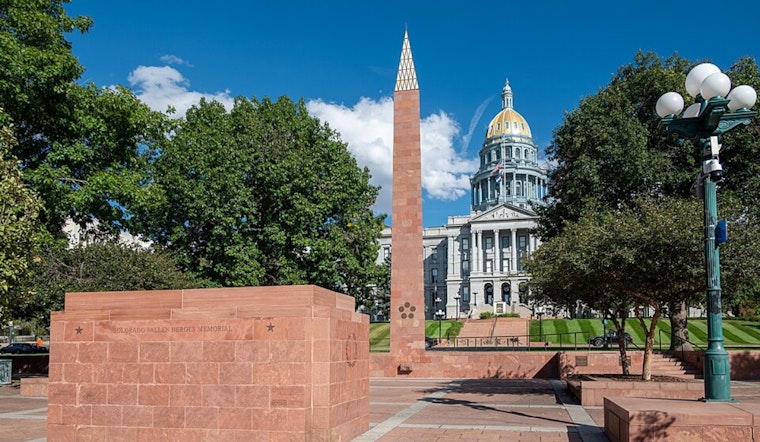
Former Denver Broncos running back Montee Ball traded the backfield for the Capitol steps on Friday, standing alongside families to push a bipartisan bill that would tighten concussion protocols and boost mental health training for youth sports coaches.
The proposal, moving through the legislature as SB26-060 and known as Alyssa's Act, honors 13-year-old Alyssa Peterson of Arvada, who died by suicide in 2019. Ball, who has spoken openly about sustaining multiple concussions and the toll they took on his life, told lawmakers he wants coaches to be better equipped to spot behavioral shifts after head injuries. Lawmakers advanced the bill in committee this week.
According to the Colorado General Assembly, SB26-060 would require coaches involved in youth athletic activities to complete a mental health education course every two years and to notify parents or guardians when a young athlete may have suffered a concussion. Coaches would also be expected to urge families to seek evaluation for possible physical, cognitive, or psychological symptoms.
The bill summary says the additional training would cover topics such as stress, anxiety, depression, substance abuse, trauma, and suicide prevention, and would broaden concussion recognition to include emotional and behavioral changes, not just obvious physical signs.
What Alyssa's Act Would Do
The measure would layer new mental health content onto existing concussion recognition training and ask schools and youth leagues to make sure coaches or other designated staff alert families and recommend follow-up care when a concussion is suspected, as reported by the Denver Gazette.
Supporters say the change is designed to help families pick up on mood swings or personality shifts that can follow repeated blows to the head and to connect young athletes with help earlier. Lawmakers sponsoring the bill cast it as a commonsense, bipartisan safety upgrade for kids playing sports in Colorado.
Montee Ball's Remarks
Ball told the committee he had endured five concussions that he could clearly remember, and later struggled with alcoholism and severe headaches. He said the injuries left him, in his words, “confused inside my own mind,” and described how his relationships deteriorated as he tried to cope, according to the Denver Gazette.
Ball told lawmakers that more robust training for coaches could have given his family clearer guidance on what to look for and how to step in when his symptoms first appeared.
The Research Behind The Push
Researchers have found that concussions in children and teenagers are linked to higher rates of later mental health problems, including psychiatric hospitalization and self-harm. A large, population-based study published in JAMA Network Open in 2022 reported roughly a 40 percent increase in risk for mental health issues among young people who had a concussion, compared with peers who sustained orthopedic injuries instead. Supporters cited that study at the Capitol as part of their case for the bill.
What's Next At The Capitol
The House Health & Human Services Committee voted 11-2 on April 15 to send the bill to the full House, according to the Colorado General Assembly. SB26-060 had already passed the Senate earlier this spring, and backers say the next key step is a vote on the House floor. The roll call shows Reps. Brandi Bradley and Ron Weinberg were the only members opposing the measure.
Alyssa’s mother, Stella Deslongchamp, told reporters the family began pushing for the legislation while searching for answers about her daughter's struggles, and that the bill could help other parents “recognize the signs earlier,” according to Denver7. Supporters describe Alyssa's Act as a practical addition to existing safety rules that would give coaches and parents more concrete steps to support kids after head injuries.




