

























































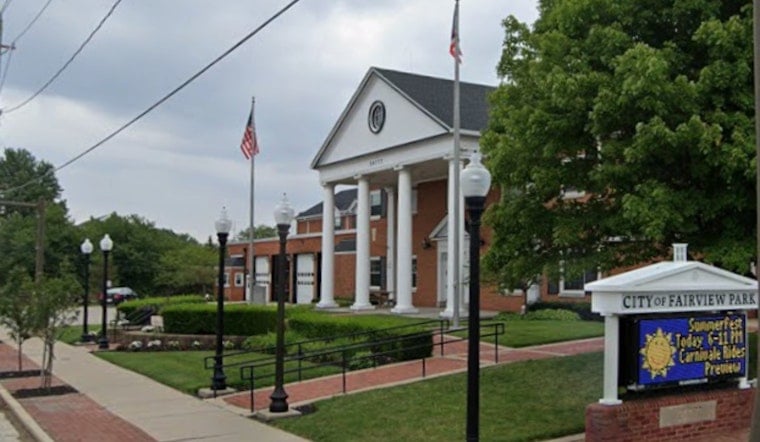
Fairview Park’s fight over a new service garage has jumped from City Hall to the courthouse, as neighbors file a class-action lawsuit to stop the city from buying 22100 Mastick Road and moving the municipal service garage into a residential area. The complaint argues that fuel storage, vehicle maintenance, and a salt dome do not belong so close to homes, and that city leaders pushed the deal forward without enough study or meaningful community input. The plaintiffs are asking a judge to hit pause on the purchase so officials must fully test environmental and traffic impacts and seriously vet other locations first.
The suit names 26 Fairview Park residents as plaintiffs and lists Mayor Bill Schneider, City Council President Bridget King, the full council, and Cuyahoga County leaders as defendants, according to reporting by Ideastream Public Media. The filing claims the parcel includes wetlands that should be protected and says neighbors were denied due process while the administration pursued the Mastick purchase.
City officials describe the property as a 2.645-acre site just south of I-480, with an existing building of roughly 6,800 square feet that has been vacant for years, and say converting it would be cheaper than constructing a new facility. The project would draw on $1 million in American Rescue Plan Act money that the county awarded in 2022, and the city has asked to re-appropriate those funds for the purchase and design work. The administration portrays the move as a way to consolidate scattered public-works operations and relocate salt storage farther from Coe Creek and the Rocky River, according to the city’s press release.
To answer rising neighborhood concerns, the council recently signed off on paid studies requested by the administration: a $15,000 environmental review and a $7,500 traffic impact study. The Board of Control agenda lists Mannik & Smith and American StructurePoint as the firms handling those assignments. Officials say the results are meant to guide any final decision about acquiring the Mastick parcel and siting the facility.
“The mayor and city council need to stop this right now,” attorney Jim Sassano, who represents the residents, told local media. Mayor Schneider has countered that the city needs roughly 2½ acres to meet its operational requirements and that viable alternative sites are hard to find. Those competing claims, weighing operational efficiency against neighborhood impact, are now headed into court and onto the public record.
Legal Stakes And The Claims
The lawsuit asks a judge to block the Mastick purchase and order the city to conduct full due diligence on more than a dozen alternative locations that residents say they put on the table, as reported by Cleveland.com. That coverage notes that the city law director declined to comment on pending litigation and that Council President Bridget King dismissed many objections as a “complaint fest.” The plaintiffs argue that a configuration including fuel tanks and a salt dome could drag down nearby property values and damage wetlands if it goes forward without more exhaustive study.
What To Watch Next
According to local reporting, the seller has agreed to honor the negotiated price until May 18, which gives both sides only a short window for studies and legal maneuvering. Local outlets report that the environmental and traffic reviews were expected to wrap up in roughly a month, lining up a possible council vote with the purchase-option deadline. If a judge issues an injunction, the city could bump up against or miss that option date, which might force officials to rethink their timing or even their choice of site.
For now, Fairview Park officials point to long-running problems at the current service facilities, including cramped garages, vehicles stored out in the open, and a salt dome that is too small. They argue a larger, centralized site would speed response times, reduce long-term costs, and move salt and fuel farther from sensitive waterways. Neighbors respond that any gains in efficiency should not come at the cost of a residential block’s quality of life, and they have now put that argument squarely before a judge.




