

























































More than a year after hot asphalt oozed into the Chicago Sanitary and Ship Canal and hardened along the banks, a judge has told the Forest View company behind the spill to get back out there and finish the job. The February 2025 failure sent heated asphalt into the waterway, where it cooled into thick, tar-like slabs that lined miles of shoreline, coated banks and trapped wildlife. Federal crews wrapped up most of their on-the-water work last November, but fresh patches kept turning up into 2026, setting the stage for the court order.
According to Chicago Tribune coverage, the ruling directs the oil company that runs the Forest View asphalt terminal to return to the canal and complete remaining cleanup and monitoring after inspectors discovered more sludge even after the response had been declared finished. The decision caps months of back-and-forth between federal and state regulators over who should oversee the long-term work and, court filings show, gives agencies new leverage to demand more shoreline and underwater recovery.
Federal documents say responders ultimately removed and disposed of more than 1,100 tons of asphalt material from the canal by mid June 2025, with recovery continuing into the summer before the U.S. Environmental Protection Agency demobilized in early November. The EPA traced the contamination to Petroleum Fuel & Terminal Co.'s Forest View terminal and ordered the company to carry out initial cleanup under federal supervision. The agency's incident site also notes that PF&T is slated to perform seasonal monitoring in 2026 under Illinois EPA oversight and that federal responders remain on standby if additional asphalt surfaces.
How the Spill Unfolded
Records from the Metropolitan Water Reclamation District show that on February 2, 2025, a heated pressure valve on an aboveground storage tank failed, allowing roughly 6,000 barrels of liquid asphalt to escape. The company later estimated that about 1,000 barrels actually reached the canal. To support the emergency response, the MWRD issued a temporary permit so the company could stage boats and heavy equipment on district property in Summit. Meeting notes describe barges, excavators and nets deployed to scoop and scrape asphalt from both the channel and its shoreline.
State and Local Officials Push Back
Illinois EPA staff and regional water managers were not shy about criticizing the federal pullback, arguing that visible deposits and wildlife impacts were still present when EPA oversight wrapped up. As reported by WBEZ, officials said pockets of asphalt continued to dot stretches of the canal and wildlife responders were still treating affected animals months after the spill. A separate account headlined Illinois Blasts Feds pulled together the broader local outcry over the early exit.
What the Court Ordered
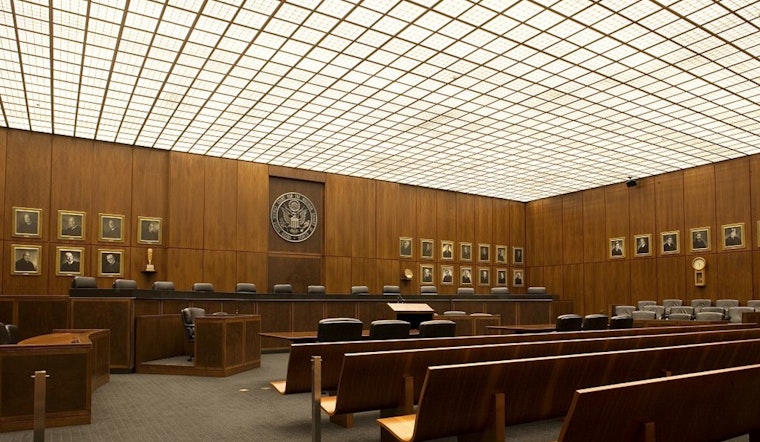
The new order sends Petroleum Fuel & Terminal Co. back into the field to hunt down and remove remaining deposits, expand monitoring and file regular progress reports with regulators, according to the Chicago Tribune. Officials say the additional work could include targeted dredging in trouble spots, renewed scraping along the shoreline and continued wildlife monitoring to make sure the cleanup actually sticks this time.
Legal Implications
The April ruling bolsters regulators' ability to make the company pay for further removal and monitoring. Federal cleanup powers under the Clean Water Act allow the EPA to order response actions and later recover its costs, Chicago Sun-Times reporting notes. State enforcement remains on the table if inspectors document ongoing discharges or new contamination, but local officials say the immediate focus is getting the last of the asphalt out so navigation and wildlife are not left in limbo.
Company representatives did not immediately respond to requests for comment. The court is expected to set a schedule for the work after regulators and the company submit follow-up plans. Agencies say they will be watching the canal closely this spring, since warming weather can re-mobilize buried asphalt. The EPA's incident page reiterates that federal crews are prepared to step back in if yet more material appears.





