

























































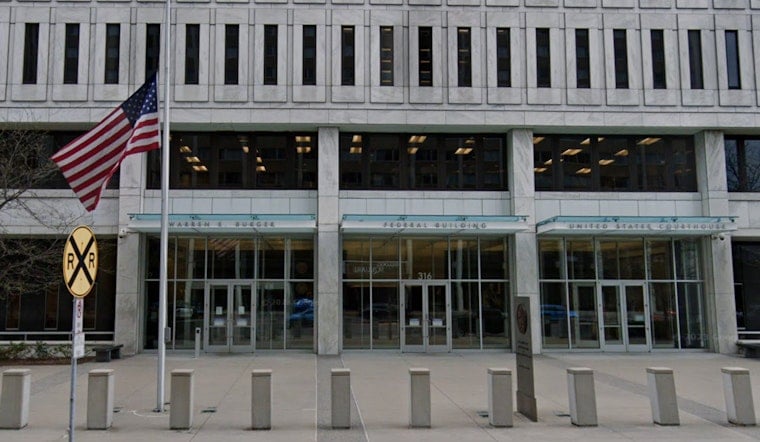
A federal prosecutor in Minneapolis has quietly set in motion a process that could put the death penalty on the table in one of Minnesota's most closely watched criminal cases.
According to recently filed court papers, U.S. Attorney Daniel Rosen notified top Justice Department officials on April 22, 2026, that he had sent in his formal recommendation on whether the man accused in last June's attacks on Minnesota lawmakers should face a federal death sentence. What he actually advised is sealed, so the public still does not know which way Rosen is leaning. But that single notice is enough to trigger the Justice Department's capital review machinery, a process that can stretch for weeks or even months.
A filing described by FOX 9 confirms Rosen alerted senior DOJ reviewers on April 22 and that his guidance had been transmitted. The document does not reveal whether prosecutors are pressing for death or steering away from it, and it notes the defendant is next scheduled to appear in federal court in October. The filing also directs that the matter proceed under standard DOJ capital-review policy.
What happens next
Once a U.S. attorney submits a capital recommendation, the case moves into the Department of Justice's Capital Case Review Process. A specialized Capital Review Committee and senior department officials weigh aggravating and mitigating factors, and the Attorney General must personally approve any decision to seek the death penalty, according to the U.S. Department of Justice Justice Manual.
That review unfolds behind closed doors. It can involve extra factual submissions, consultations with victims' families and coordination among multiple agencies before anything shows up in the public court file. If the Attorney General ultimately authorizes a capital prosecution, the government then has to follow a specific set of statutory and procedural rules that change pretrial timelines and how the defense gears up.
Why it matters here
Minnesota has not had a state death penalty since 1911, which makes any potential federal death case here both rare and politically charged. When the charges were first filed, reporting noted that bringing the case in federal court is one of the only ways the death penalty could even be an option in Minnesota. As the MinnPost has explained, that long gap since abolition is a big part of why this review is drawing such intense attention.
On the procedural side, a federal judge has already asked prosecutors for a sense of timing, and officials have estimated that a final decision from Washington could take months, potentially stretching into late summer, according to the Star Tribune.
Backstory: the June attacks
The Justice Department submission traces back to the June 14, 2025 attacks, when prosecutors say a man posing as law enforcement targeted multiple Democratic lawmakers. Former House Speaker Melissa Hortman and her husband, Mark, were killed in the violence, and Sen. John Hoffman and his wife were wounded.
Federal authorities arrested the suspect after a multi-agency manhunt. A grand jury later returned an indictment that includes murder, stalking and firearms charges that qualify for federal capital review, according to reporting by the Associated Press. The case has already generated hundreds of hours of video and large volumes of discovery that both prosecution and defense teams are still working through.
What this could mean for the courtroom
If the Attorney General signs off on seeking the death penalty, prosecutors must file a formal notice in court. At that point, the case takes on all the added complexity of a capital trial. Courts commonly grant longer pretrial schedules, defense teams often seek specialized mitigation discovery and judges sometimes appoint additional lawyers specifically for a potential penalty phase, as described in the Justice Manual.
Those changes can alter which motions the defense files and how judges set hearings. Magistrate Judge Dulce Foster has already told lawyers she wants clarity on timing so the court can lock in deadlines. For now, though, the key development is still internal: a recommendation has been transmitted to DOJ reviewers, and the Capital Case Review Process is officially underway.
For Minnesotans following the case, the immediate takeaway is procedural. As of April 22, 2026, the federal government has moved the Boelter prosecution into its formal capital review track. Any clear public signal about the death penalty decision will likely come later, in the form of an Attorney General directive or a notice filed on the court docket once the department makes its final call.



