

























































Minneapolis is staring down a tough question at the river: should one of the city’s most beloved dog parks keep its prime spot if the land is part of a Dakota sacred site and possible burial ground?
The Minneapolis Park & Recreation Board is weighing whether to close the Minnehaha off-leash dog park after Dakota leaders and preservation advocates raised alarms that the area sits within Mni Owe Sni, or Coldwater Spring, a sacred landscape that could include burial places. An archaeological assessment commissioned by the Park Board found the cultural significance of the site was “significantly greater than originally anticipated,” and parts of that review are being kept out of public view. The debate has already put earlier fencing plans on hold and is expected to loom large over this summer’s update to the Minnehaha Regional Park long-range plan.
What the park board is doing
Park staff say they brought in The 106 Group to conduct an archaeological assessment and set up a months-long process to consult Dakota tribal historic preservation officers, the Minnesota Historical Society and the National Park Service, according to Minneapolis Park & Recreation Board documents. Those materials outline a phased schedule for agency coordination, draft revisions to a management summary and planned briefings for park commissioners.
Staff also note that some of the archaeological findings are unlikely to be released publicly because of their sensitivity, which is already shaping how much the board can say in open meetings while the work plays out behind the scenes.
Tribal leaders press for closure
Dakota leaders and tribal historic preservation officers have urged the Park Board to close or move the Minnehaha off-leash area, arguing that free-running dogs have disrupted people who visit Coldwater Spring for ceremony and that the dog park may fall within the broader Mni Owe Sni footprint. The Star Tribune reports that an archaeological review completed last year concluded the site’s cultural importance was greater than expected and that the Park Board is withholding the full $16,400 assessment under state burial-site protections.
That secrecy has not gone over well with some tribal members, who say they want more transparency even as officials try to prevent damage or looting at sensitive spots. The result is a process that is both highly scrutinized and, at key moments, necessarily opaque.
Why the land matters
Coldwater Spring, or Mni Owe Sni, sits at Bdote near the confluence of the Minnesota and Mississippi rivers and holds a central place in Dakota creation stories and ceremonial life. The area was formally listed as a Traditional Cultural Property on the National Register in 2023, and Dakota governments have pressed federal stewards to shield it from uses they view as disrespectful.
The National Park Service recently ordered a prayer camp at the spring to leave the site after tribal leaders requested enforcement, according to reporting by the Sahan Journal. That episode underlined just how seriously both tribal leaders and federal managers are treating activity in and around Mni Owe Sni.
Dog owners and trade-offs
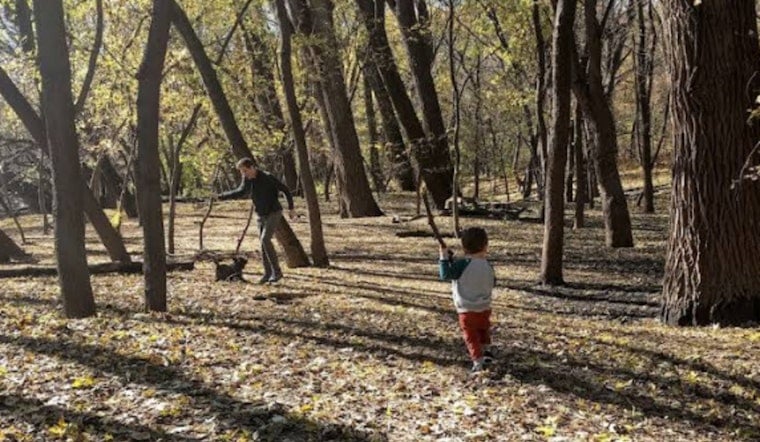
For many Minneapolis residents, the Minnehaha off-leash area is not just another patch of grass, it is a decades-old habit. Gravel beaches, wooded trails and small river islands offer room for dogs to sprint, swim and roll around while their humans swap neighborhood gossip. Shutting the park down or shifting it elsewhere would send owners hunting for similarly scenic, off-leash space in a city where that kind of real estate is scarce.
That is why any move to close or relocate the park is expected to draw strong pushback from users who describe it as a treasured neighborhood amenity and a daily sanity-saver. Local coverage has zeroed in on that tension and the park’s popularity even as officials weigh sacred-site concerns and habitat restoration needs, according to a recent FOX 9 report.
Legal and procedural notes
Under state law, data tied to burial sites receives special protection, which means some archaeological details are treated as nonpublic. The Star Tribune reports that the Park Board has cited those rules in declining to release portions of the assessment. The shield is meant to deter looters and protect sacred places, but it also constrains what park officials can disclose while they consult with tribes and preservation partners.
At the same time, federal and state stewards say they are juggling cultural protections, ongoing restoration work and public recreation, a mix of priorities that rarely fits neatly together.
Park staff say they will continue government-to-government consultation with Dakota leaders and plan to share more information before any change is made to the dog park. Commissioners could consider reclassifying the site or weighing a relocation proposal during the Minnehaha Regional Park long-range plan update, according to Minneapolis Park & Recreation Board materials.
For now, the riverside trails and off-leash area remain open, even as the city wrestles with what respectful public use looks like on land that, for many Dakota people, is anything but ordinary.


