

























































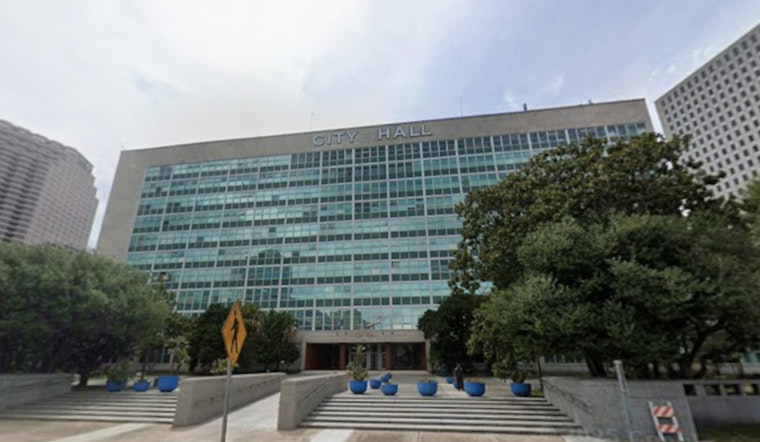
A 158-year-old federal ban on home distilling just ran out of time in New Orleans. On Friday, a three-judge panel of the U.S. Court of Appeals for the Fifth Circuit declared the Reconstruction-era restriction unconstitutional, siding with a small band of hobbyists who took the law to court. The statutes at issue, which trace back to post-Civil War tax laws, carried penalties of up to five years in prison and $10,000 in fines.
According to Reuters, the panel held that the provisions barring distilleries in dwellings and related structures went beyond Congress’s taxing and commerce powers and could not stand as written. In doing so, the court affirmed a July 2024 ruling from the Northern District of Texas. The plaintiffs included the Hobby Distillers Association, a nonprofit with about 1,300 members, and four individual hobbyists.
Writing for the panel, Circuit Judge Edith Hollan Jones said the ban actually "reduced tax revenue by preventing distilling" and cautioned that the government’s reading of its own authority would lack "any limiting principle" on federal power, Reuters reported. The opinion framed the dispute as a fight over how far Congress’s taxing authority and national power can reach into what people do in their own homes.
How the Case Reached the Appeals Court
The case started in the Northern District of Texas, where the Hobby Distillers Association and one of its members sued the Alcohol and Tobacco Tax and Trade Bureau and the U.S. Department of Justice. They challenged sections of the Internal Revenue Code that bar distilleries in homes and closely connected premises. The district court in Fort Worth, in an opinion available on Justia, ruled those provisions unconstitutional in July 2024 and blocked their enforcement against the association and its members. The government appealed, sending the dispute to the Fifth Circuit, where the arguments and broader context were covered by Courthouse News.
What the Ruling Changes and What It Does Not
On a practical level, the ruling frees the plaintiffs from the specific federal prohibition as applied to them. It does not, however, wipe away state or local licensing rules or other federal laws that regulate how distilled spirits are produced and kept safe. Legal observers have pointed to the court’s skepticism of the government’s tax-based theory for the ban, a theme explored in analysis by Bloomberg, and suggested the decision may tighten how courts treat efforts to use the tax code to police private conduct.
What Comes Next
The government still has moves it can make. It can ask the full Fifth Circuit to rehear the case en banc or seek review from the U.S. Supreme Court. The mechanics and timing for en banc petitions and the issuance of mandates are laid out in the Fifth Circuit’s practice guide. A timely rehearing request would normally pause the formal mandate while the full court decides whether to revisit the panel’s decision, according to guidance from the Fifth Circuit clerk posted on the court’s website.
Reactions From the Parties
Plaintiffs and allied advocacy groups cast the outcome as a win for individual liberty and a reminder that there are still limits on federal regulatory power. The Competitive Enterprise Institute, which has participated in litigation and commentary around the case, called the ruling a significant victory for hobbyists and for constitutional boundaries on federal authority. Its statement is available on the organization’s site.
For now, hobby distilling sits in a legal gray area. The panel’s decision is a major step for the plaintiffs but could prove short lived if the government pursues rehearing or Supreme Court review. Until the appeals process fully plays out and federal agencies decide how to respond, anyone curious about home distilling should assume that state and federal licensing and safety rules still very much apply.


