

























































Florida’s Space Coast is getting a fresh jolt of business as Cape Canaveral-based Sidus Space tightens its orbital handshake with St. Petersburg neighbor Lonestar Data Holdings, expanding a deal that now totals about $120 million and adds another StarVault data-storage payload bound for orbit.
The two companies say the expanded work is aimed squarely at turning space into a premium off-planet backup venue, pitching orbital servers as a way to keep critical information safe from cyberattacks, natural disasters and geopolitical blowback.
Sidus detailed the move in a recent amendment to its existing program, saying it will build and deliver an additional StarVault orbital data-storage payload and is already working on the first unit, which is scheduled to launch no earlier than fall 2026 aboard LizzieSat-4. In its announcement, Sidus Space cast the add-on as an extension of its role supporting what Lonestar bills as the world’s first commercially operational space-based sovereign data storage service, calling the amendment “continued execution against customer requirements” as StarVault shifts from test flights to full commercial use.
Lonestar, which rolled out its StarVault platform on April 15, said it has ordered a second payload from Sidus to boost both capacity and redundancy in orbit. Lonestar Data Holdings said the first StarVault mission is targeted for an October launch on LizzieSat-4, with the follow-on payload slated for next year. “Demand for off-planet data security has exceeded expectations,” CEO Steve Eisele said.
What the Bigger Deal Means for Space Coast Shops
The roughly $120 million total tied to Sidus’ Lonestar work appears in the company’s regulatory filings, where Sidus notes it has amended and extended its lunar satellite manufacturing agreement to reach that figure. Sidus' SEC filing presents the Lonestar projects as part of a broader pivot toward higher-margin satellite manufacturing and on-orbit services, rather than one-off hardware jobs.
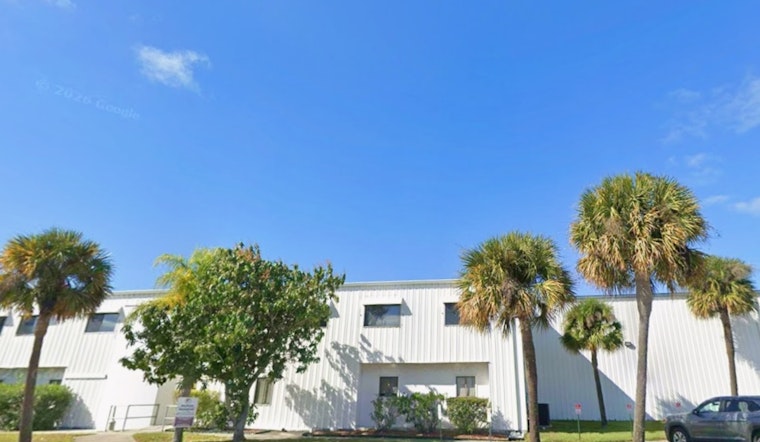
If the schedule holds, suppliers along Florida’s Space Coast, along with Sidus’ own integration facility, could see a steady run of work on payload assembly, testing and mission operations as Lonestar’s orbital data center concept scales up.
Launch Clock Is Ticking, With Wiggle Room
Both companies say the initial StarVault payload is already in production and that the first flight, riding on Sidus’ LizzieSat-4, is planned for October 2026, with additional launches expected after that as Lonestar ramps capacity. Lonestar's announcement stresses that these dates are targets that could slip if integration or launch-vehicle logistics get tight, which is a polite way of saying space schedules are rarely boring.
Investors, prospective customers and plenty of local vendors will be watching to see whether Sidus and Lonestar can hit their integration milestones and lock in rides to orbit on time.
Why Park Your Backups in Orbit
Space-based data vaults are pitched as “air-gapped” by definition, physically separated from terrestrial networks and far from local disasters. The approach has drawn interest from government clients and financial institutions that want to keep their most sensitive records out of hackers’ reach and away from regional disruptions.
Industry coverage and company materials say Lonestar has already flown several test data centers, including missions beyond low-Earth orbit, and that StarVault’s October mission is set to be its first fully commercial outing. Investing details that test history along with the broader market pitch for orbital storage.
Closer to home, local business outlets have tagged the expanded contract as another sign that Tampa Bay is quietly becoming a crossroads for cloud infrastructure and commercial space ventures. The Tampa Bay Business Journal reported on the enlarged agreement on April 17. While Sidus and Lonestar have not broken out specific hiring tied to the latest amendment, both say the work will deepen their commercial mission pipelines across Florida’s Space Coast and beyond.



