

























































The high-flying pitch for Forge Atlanta, a massive mixed-use district planned between Castleberry Hill and downtown, just ran into a very down-to-earth problem: the mortgage is in default.
Webstar Technology Group, the thinly traded penny-stock outfit behind the project, has defaulted on the roughly $33.7 million seller-financed note it used to buy the 10-acre site on Whitehall Street, according to recent filings and reporting. The stumble throws fresh doubt on how quickly the megaproject can move from glossy renderings to actual steel and concrete.
Company filing: note matured and is in default
In its annual report, Webstar said the $33.7 million purchase-money promissory note that financed the land matured on April 1, 2026 and is now in default, with interest piling up at a higher post-maturity rate while the parties try to restructure the debt, according to OTC Markets. The filing states that negotiations with the noteholder are underway and warns that any new terms could significantly change the near-term financing plan for Forge Atlanta.
How the deal was structured
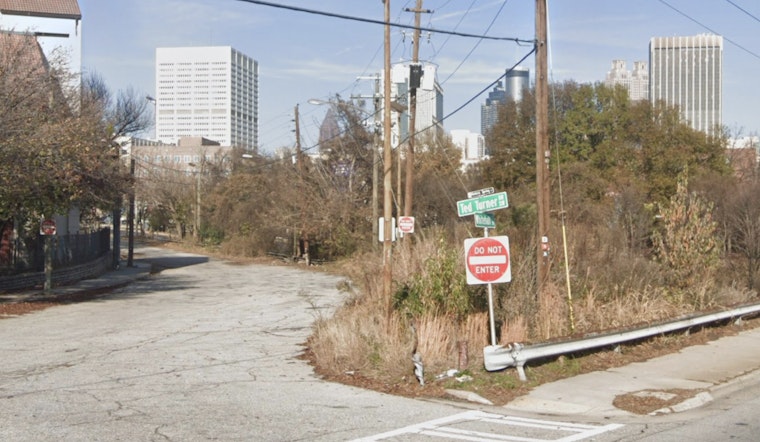
Webstar bought the 10-acre parcel at Ted Turner Drive and Whitehall Street for about $34.5 million late last year and quickly branded it as the future home of a multi-phase downtown district, according to a company release on Business Wire. Reporting by Bisnow says most of the purchase was covered by a $33.7 million seller note from an entity controlled by Atlanta food magnate Russell McCall.
Extension talks and what they require
According to reporting that cites the annual report, the note originally came due March 2 but was pushed to April 1, yet Webstar still did not repay. The company is now trying to negotiate another extension to October 1 that would require about $1.9 million in extension fees and interest, to be paid in installments, per Bisnow. Jerry Zivan, an attorney for McCall, told Bisnow, “By May 7, we believe we will have executed the final terms,” and McCall himself said there was “no need to even think about foreclosure” in the wake of the default.
Company finances show strains
Webstar’s SEC annual report shows a balance sheet that is already under stress. The company generated no revenue in 2024 or 2025, posted losses of nearly $4.5 million in 2024 and roughly $1.3 million in 2025, and had accumulated deficits of more than $48.8 million by the end of 2025. Management disclosed “substantial doubt” about Webstar’s ability to continue as a going concern, according to the filing on SEC.gov. That same document notes that the company’s financial statements were not audited after a dispute with its previous accounting firm.
Public incentives and local stake
Despite those red flags, local officials have already signaled just how big Forge Atlanta could be if it actually gets built. The Development Authority of Fulton County approved an inducement resolution last October that supports up to $223.7 million in tax-exempt bond financing for Phase 1, although the authority stresses the incentives are performance-based and will not move forward unless the developer hits required milestones, according to Develop Fulton. Phase 1 alone is pegged at about $756 million and is slated to feature a 300-room hotel, around 600 condominium units and roughly 60,500 square feet of retail and entertainment space, per project materials and the authority’s fact sheet.
Legal implications
If talks over new terms break down, the seller-note holder could use its remedies under the loan documents, including accelerating the debt and pursuing foreclosure. Public statements around the deal, however, suggest the seller would rather cut a deal than rush into a courthouse. Webstar’s SEC filing also cautions that without fresh capital, the company may look to raise money through a public offering or an asset sale or, if those options fall short, could be forced into a bankruptcy filing. Any of those paths would reshuffle who controls the site and how the project moves forward.
In the coming weeks, all eyes will be on two questions: whether Webstar and the lender actually ink an extension and whether the developer can muster enough outside financing or satisfy Fulton County’s conditions for public support. Those answers will decide if Forge Atlanta breaks ground as planned, hits a long stall or winds up in someone else’s hands.





