

























































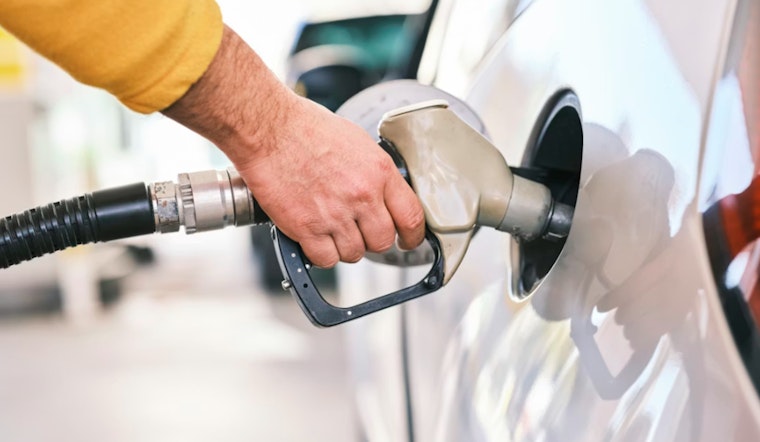
For St. Louis drivers who make their living behind the wheel, gas creeping past $4 a gallon feels less like an inconvenience and more like a pay cut. "I need to make more money today than I normally do because I have a bill I have to pay," said Lyft driver Jason Edwards, who splits his time between the Metro East and St. Louis. He said filling his tank now costs roughly $15 more than it did a month ago, and that his per-mile threshold for acceptable fares has risen. Cabbies and app-based drivers told local reporters they are rethinking which rides they accept and when they go online.
Local regulators allow a temporary surcharge
As reported by KMOV, the national average for regular gasoline hit about $4.06 per gallon on Wednesday. Metropolitan St. Louis Taxicab Commission Executive Director Ronald Klein told KMOV the commission will allow taxi drivers to add a $1 fuel surcharge per trip to help offset costs. "Every dollar they lose is one less dollar they have to buy groceries," Klein told KMOV, noting that taxi drivers in the St. Louis area are responsible for filling their own tanks. The commission says the change is intended as temporary relief while pump prices remain elevated.
Why prices jumped and what platforms are doing
Data from AAA shows the U.S. retail average at about $4.064 a gallon as of April 1, a roughly $1 increase from a month earlier. Analysts have pointed to disruptions in global crude supplies and spring driving demand as key drivers of the rapid rise, according to national market coverage. The run-up has pushed ride-hailing and delivery platforms to roll out short-term relief efforts for drivers and couriers. Those measures may soften the blow a bit, but local drivers say they do not erase the lost margin that comes with long shifts and higher fill-up costs.
Platform relief is temporary and limited
Lyft rolled out a 60-day driver relief program starting March 27 that layers extra cash-back on Lyft Direct debit purchases and adds per-gallon credits through Upside, according to Lyft. Uber said it expanded cash-back on its Uber Pro Card and increased Upside and Shell Fuel Rewards offers that together can amount to more than a dollar per gallon for top couriers, per Uber. Drivers interviewed by local outlets say those programs help only at the margin and often require specific cards, station networks or status tiers to unlock the biggest savings. For taxi drivers who purchase fuel out of pocket, even a dollar a gallon saved does not always make up for the day-to-day income squeeze.
What the surcharge means for fares and riders
Allowing a $1 per-ride fuel surcharge gives taxi drivers a clear way to recover some costs, but it can also nudge fares higher for riders already dealing with broader price pressure, KMOV reported. Local and county regulators have authorized similar emergency surcharges in past spikes, for example, Fairfax County allowed a $1 emergency taxi surcharge during an earlier climb in pump prices, according to FFXNow. How long the fee remains in effect, how it is shown to customers and whether platforms adjust pricing will determine whether the surcharge stays a short-lived bandage or settles in as part of the new normal. For many drivers, it is a stopgap while they search for pumps, cards and gigs that stretch earnings a little farther.
Edwards told KMOV he has been driving almost daily for the last two weeks to keep up with rising costs and that if prices fall he will scale back. Platforms are also offering incentives and pilots to nudge drivers toward more fuel-efficient and electric vehicles, but changing a vehicle fleet is an expensive, slow decision for most. In the meantime, drivers say they will keep stacking rebates, choosing stations carefully and pushing regulators for temporary relief until the price spike eases. Whether that will be enough to steady household budgets depends on how long pump prices stay elevated.




