

























































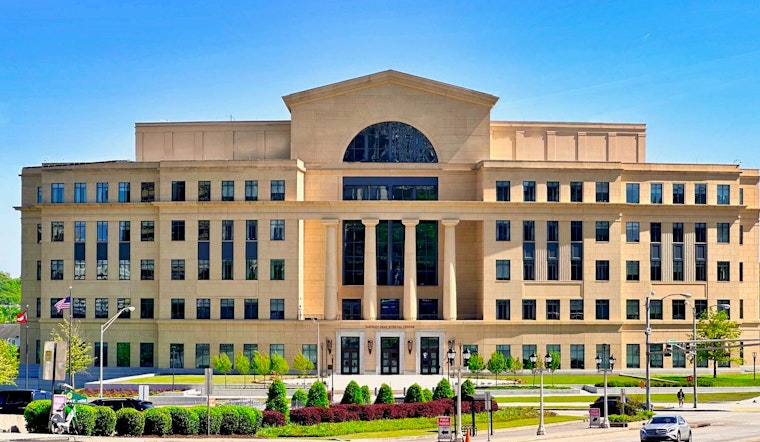
Georgia’s highest court is about to step into the legal fallout from last year’s BioLab chemical disaster in Conyers, and the stakes are enormous for neighbors who say they were smoked out by the blaze. At the center of the fight is a deceptively simple question with far-reaching consequences: can people exposed to toxic smoke get court-ordered, long-term medical monitoring even if they do not yet have a diagnosable injury?
The answer could determine whether thousands of area residents qualify for a dedicated fund to pay for ongoing health screenings, and it could quietly rewrite how toxic exposure cases are handled across Georgia for years to come.
All eyes are on the state Supreme Court, which is scheduled to hear oral arguments next week in an appeal that grew out of dozens of consolidated lawsuits tied to the 2024 BioLab blaze, according to FOX 5 Atlanta. Plaintiffs and local governments are pushing for long-term monitoring and other damages as they try to lock in remedies for people who say they were exposed when the plant burned.
What Judges Have Been Asked To Decide
Federal judges handling the consolidated litigation have kicked two big questions up to Georgia’s high court about whether medical monitoring is available as equitable relief for people who are currently “unimpaired,” and, if so, what legal standard should apply, as detailed in filings posted on Justia. The district judge called the issue one of “considerable uncertainty” under Georgia law and sent the record to the state Supreme Court for guidance.
Law360 reported that the referral could shape the trajectory of the consolidated class action, since the justices’ answer will determine whether the federal court can treat medical monitoring as a stand-alone remedy for people who have not yet been diagnosed with any specific illness.
The Blaze That Prompted The Suits
The fire at BioLab’s Conyers facility erupted on Sept. 29, 2024, sending up a massive smoke plume that forced evacuations, triggered shelter-in-place orders and prompted widespread air quality testing, AP News reported. Federal investigators later concluded that improperly stored reactive chemicals played a role and the Occupational Safety and Health Administration proposed more than $60,000 in penalties.
In the lawsuits, plaintiffs point directly to the Conyers facility and allege that smoke and chemicals contaminated nearby homes and businesses. Their complaints map out coordinates and spell out specific claims about exposure and property damage, according to documents posted by Law.com.
Who Is Suing And What They Want
From the first days after the fire, individuals and businesses began filing suits seeking compensation for property damage, lost business income and health-related concerns. Rockdale County also filed its own federal complaint seeking damages and other forms of relief, The Atlanta Journal-Constitution reported.
The consolidated complaint asks the court to set up a medical monitoring fund to pay for periodic testing and follow-up visits that plaintiffs’ lawyers argue are reasonably necessary because of elevated exposure risks. Those same filings press for monitoring as equitable relief even for class members who have not yet developed any diagnosable injury, according to documents posted on ConyersLawsuit.com.
Company Response And Federal Findings
Federal agencies, including OSHA, identified safety lapses tied to the incident and proposed penalties after reviewing the facility and its storage practices, according to AP News. BioLab and its parent company KIK have said they are cooperating with regulators and have opened a community assistance center to handle claims and provide remediation information, while disputing some aspects of the federal summaries.
Those company statements, along with the government findings, are now part of the court record that judges will sift through as they sort out who, if anyone, is liable and what remedies might be on the table.
Neighbors Say Symptoms Linger
Conyers residents and business owners have described ongoing respiratory, eye and throat irritation in the weeks following the fire, along with mounting frustration over the pace of relief and cleanup, according to reporting by Georgia Public Broadcasting. The outlet documented protests and interviews with neighbors who demanded stronger oversight and questioned whether a court-ordered monitoring fund is the best way to address long-term health fears.
That community pressure has become part of the political and social backdrop to the litigation, even as the legal fight turns on more technical questions about equitable remedies and class certification.
Why The April Hearing Matters
Oral arguments are set for April 21, putting before the Supreme Court a question the state has never squarely answered: can people who were exposed but are not currently ill obtain court-ordered medical monitoring, and if so, under what standard, as reported by The Center Square. The case has drawn attention well beyond Georgia, with business groups such as the U.S. Chamber of Commerce filing briefs that urge caution about expanding remedies for unimpaired plaintiffs, a position the company’s lawyers have echoed in their own filings.
How the justices frame the remedy could either clear the way for a large-scale medical screening program or sharply narrow the plaintiffs’ path to recovery. The Georgia Supreme Court’s eventual decision will not rebuild damaged property or instantly calm health worries, but it will set a key precedent on whether medical monitoring can become a routine feature of toxic exposure litigation in the state.
Expect written opinions and possible remands that could take months to fully play out. Coverage from Law360 notes that whatever the justices decide will significantly shape both the direction and scope of the consolidated federal case now pending in Atlanta.





