

























































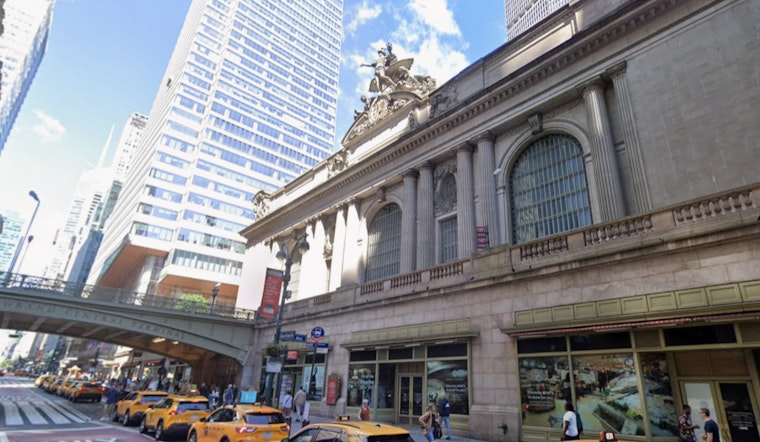
After a run of violent subway incidents capped by a machete attack at Grand Central last Saturday, the NYPD says it has quietly ripped up its old playbook underground. Officers are being pulled off turnstile posts and pushed deeper into the system onto platforms and trains, with more cops riding overnight. Department brass say the strategy shift is based on data that shows most crimes happen where riders actually wait and ride, not where they swipe in, and they argue the new posture will both speed up response times and scare off would-be attackers. Riders are split: some say the extra uniforms are reassuring, while others insist the subway also needs far more mental health and housing help to feel truly safe.
How deployments were reshaped
NYPD Chief of Transit Joseph Gulotta has framed the shakeup as a tactical adjustment, saying the department is finally matching deployments to where crimes are occurring. Gulotta told PIX11, "We had a lot at the turnstiles. I need them on the platforms. I need them on the trains." Police officials say that conclusion comes from pattern analysis of when and where offenses take place, leading them to pull officers away from fare control and push them into cars and onto platforms instead.
Numbers and early results
Officials say the department added roughly 175 extra officers to daily transit patrols after a winter crime uptick and shifted many existing officers into overnight assignments. Some transit personnel were moved to 12-hour tours, extending coverage across late-night and early-morning hours. According to NY1, reported transit felonies are down about 1.5% year over year and felony assaults are down roughly 5.5%, even as robberies have ticked up in parts of the system. The move to longer shifts was reported by The Associated Press.
Grand Central attack and rapid response
The new posture faced a stark test last Saturday, when a man armed with a machete slashed three people at Grand Central before being shot and killed by officers on the platform. NBC New York reports that two officers were flagged down by a bystander and sprinted to the 4/5/6 platform, where they repeatedly ordered the suspect to drop the weapon before firing as he advanced. Authorities said the three victims were expected to survive, and the NYPD has said it will release body-worn camera footage as part of an internal review.
State support and infrastructure pushes
City and state leaders are backing the policing changes with cash and construction that they say are aimed at prevention as much as enforcement. According to the governor's office, an additional $77 million will support enhanced NYPD subway patrols and expand clinician-led SCOUT outreach teams. At the same time, the MTA says it is speeding up installation of platform-edge barriers, more cameras and delayed-egress gates across the system. Officials argue that pairing visible enforcement with services for people in crisis, plus safer station design, is key to keeping crime numbers moving in the right direction.
Riders and critics
Commuters who spoke to local reporters said that seeing more officers on the platform can make a late-night ride feel a lot less lonely. Others were quick to point out that enforcement alone is not going to solve homelessness or mental health crises that spill into stations and cars. One rider told NY1 that police presence helps, but advocates argue that investments in housing, treatment and outreach need to move even faster than patrol schedules if any safety gains are going to last.
For now, the NYPD, MTA and state officials say their shared game plan is to keep officers where incidents are actually happening while expanding mental health outreach and station upgrades. Leaders have branded the approach as data-driven and flexible. Riders and critics will be watching closely to see whether this blend of patrols, outreach and new infrastructure can really lock in the recent declines in transit crime.





