

























































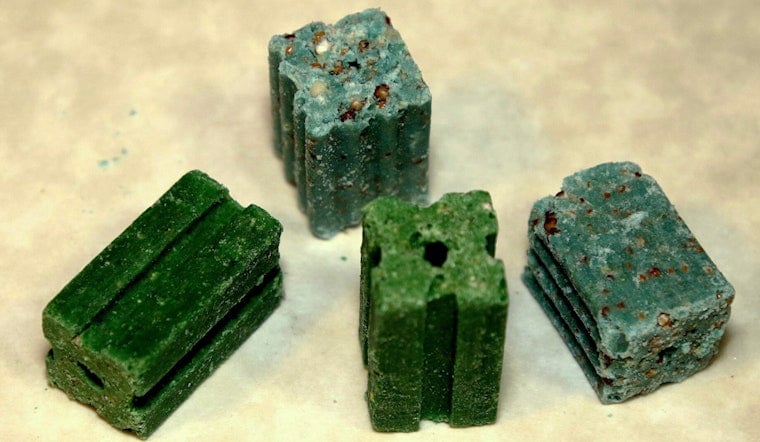
Bright green pellets that look like tiny berries popped up this week along sidewalks and in bushes on Kermit Place in Windsor Terrace, rattling dog owners and parents who walk past the nearby school every day. Neighbors said the pellets were rodenticide (rat poison), and one homeowner reportedly swept some of it away after complaints. That quick sweep did not exactly settle nerves, with locals warning that loose bait on walkways and tucked into hedges is an obvious danger for curious pets and kids.
Neighbors Describe The Find
Residents told News 12 they first spotted the bright green circular pellets scattered near front steps and in bushes, with several people comparing them to small berries. “It’s my first time actually encountering that; I’ve actually never seen it before,” Nichelle Davidson said. Neighbor David Keltz added that “safety is my top concern for my dog.” According to the report, the homeowner who put out the bait swept up the pellets after neighbors spoke up and said a professional exterminator was on the way.
What City Rules Require
The New York City Department of Health and Mental Hygiene warns that loose rodenticide poses a serious public risk and should be used only in secured, tamper‑resistant bait stations or applied directly into rat burrows by licensed professionals. Local Law 37 and the city’s pesticide‑use guidance exempt only bait that is locked inside tamper‑proof containers or placed in spots people and animals cannot access. Scattering or leaving loose bait in public areas is not an approved method. Officials urge anyone who finds unsecured bait to call 311 so inspectors can check it out and arrange safe removal.
Advice For Pet Owners
If you think a pet has eaten rodenticide, contact your veterinarian or the ASPCA Animal Poison Control Center at (888) 426‑4435 right away. Prompt treatment can be lifesaving. Different chemicals require different responses: anticoagulant baits are typically treated with vitamin K, while neurotoxic products such as bromethalin can trigger seizures and have no specific antidote. Owners are urged to photograph the bait, keep pets and children away from the spot, and bring any packaging or samples to the vet if they can do so safely.
A Pattern Across Brooklyn
This Windsor Terrace discovery follows similar loose‑bait reports elsewhere in the borough this year, including a February Hoodline post about neon‑green pellets in Greenpoint. Neighbors in several communities say they have filed 311 complaints and pushed for clearer action from the city to keep rat poison out of places where pets and children play. Those repeat episodes have led veterinarians and advocates to keep reminding property owners and pest control professionals to stick with tamper‑resistant methods.
Legal And Enforcement Notes
City guidance and Local Law 37 set limits for how pesticide products can be used on municipal property and give the Health Department power to require cleanup and issue violations when bait is left exposed, according to the agency’s pesticide‑use report. In past cases, improperly placed bait has led to enforcement actions and civil penalties for unsafe use. Property owners who put out rodenticide are expected to rely on licensed pest professionals and secure bait in approved stations to avoid both harm and legal trouble.
Residents said they hope the Windsor Terrace scare prompts a stronger, clearer response. For now, neighbors are keeping dogs on short leashes and urging anyone who spots loose bait to report it to 311 so inspectors can get it taken away safely.





