

























































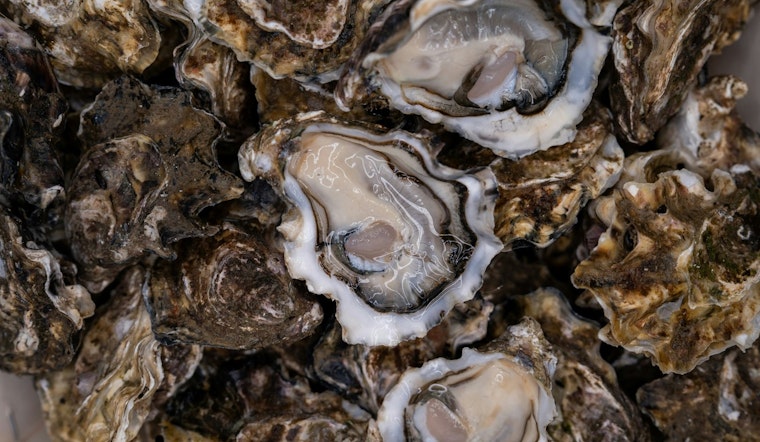
Raw oysters and clams from a slice of Washington's Hammersley Inlet are suddenly persona non grata after federal health officials linked them to a cluster of norovirus-like illnesses. The recall covers all species of shellstock harvested March 22 through April 9 by Gomez Shellfish, LLC, including oysters and clams shipped across several states. Officials are reminding people that raw shellfish can carry norovirus even when everything looks, smells and tastes perfectly normal, and that symptoms often kick in within a day.
On April 17, the U.S. Food and Drug Administration issued an advisory telling restaurants and retailers to pull and discard any Gomez Shellfish products from the affected harvest window. The agency said shipments went to California, Oregon, Texas and Washington and may have made their way into other states as well. According to the FDA, the recall covers shellstock harvested March 22 through April 9, 2026, by Gomez Shellfish, LLC (WA-1724-SS). The Interstate Shellfish Sanitation Conference posted a matching notice from Washington that pinpoints the harvest site as a "small portion of Hammersley Inlet." The ISSC provided the notice.
Closer to home, Whatcom County health officials confirmed five local illnesses tied to oysters included in the recall. The county's alert lists sales at the Community Food Co-op (Downtown), Rock & Rye Oyster House and Keenan's at the Pier on specific March dates. As reported by The Spokesman-Review, those businesses have stopped selling the affected product and are working with public-health authorities. The county's advisory, posted by Whatcom County Health and Community Services, also spells out how to report suspected foodborne illness.
Symptoms and timeline
Norovirus typically hits fast and hard, causing sudden vomiting, watery diarrhea, nausea and stomach cramps. Symptoms usually begin 12 to 48 hours after exposure and most people recover within 1 to 3 days, according to the CDC. The FDA warns that "food containing norovirus may look, smell, and taste normal," which is why officials are not telling anyone to take chances with recalled shellstock. The FDA also advises anyone with symptoms to contact a healthcare provider.
What to do if you bought or served the shellfish
If you still have any of the recalled shellstock on hand, the guidance is simple: toss it. After that, thoroughly clean any containers, surfaces and utensils that came into contact with the shellfish. Restaurants and retailers are told to reach out to their distributors to arrange for product destruction and to sanitize equipment to prevent cross-contamination. Whatcom County's advisory explains how to report suspected cases and urges people who are sick to talk with their healthcare provider. Whatcom County Health and Community Services also recommends that people at higher risk for severe illness skip raw shellfish and seek care if symptoms develop.
Why this matters
It has been a rough season for Washington shellfish lovers. This is not the first norovirus-linked recall of the year; in March, an emergency closure and recall tied to Drayton Harbor forced a temporary halt to harvesting. For background on that earlier shutdown, see Drayton Harbor shellfish shut down.



