

























































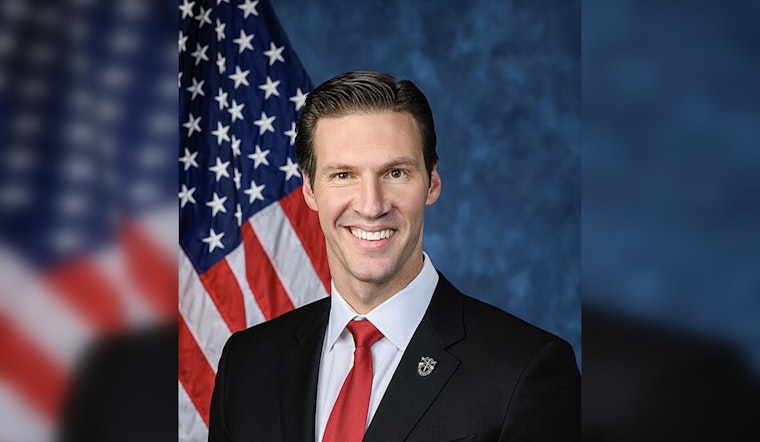
Rep. Pat Harrigan is pushing a new perk for the military’s most elite. On April 16, 2026, he rolled out the Special Operations Forces Concealed Carry Act, a bill that would let selected active-duty and honorably discharged special-operations personnel carry concealed firearms in all 50 states. Backers say the plan simply treats combat-tested operators like retired law-enforcement officers, scrapping the annual firearms requalification that comes with similar federal authority and setting up a federal photo-ID program for qualifying veterans so police can quickly verify who is allowed to carry.
"Federal law already trusts retired police officers to carry concealed nationwide," Harrigan said, framing his bill as a narrow fix that extends the same framework to warriors who "have earned it," as reported by Tampa Free Press. The outlet summarized the proposal as covering "qualified special operators" from units such as the Navy SEALs, Green Berets and Army Rangers, and supporters told the paper the measure would leave existing federal restrictions on firearms possession in place.
How The Bill Would Work
The draft text would amend 18 U.S.C. § 926C, the Law Enforcement Officers Safety Act, to create a new category of "qualified special operator" and grant that group permanent nationwide concealed-carry authority, according to the bill text from Harrigan's office. It spells out eligible paygrades and a long list of specialties, including Army Special Forces, the 75th Ranger Regiment, Delta Force, Navy SEALs, Marine scout snipers and several Air Force special-operations roles. The proposal also deletes the annual requalification requirement for those operators, instructs the Defense and Veterans Affairs departments to create a photographic identification program within 180 days of enactment, and asks the Justice Department to issue guidance to local police on how to recognize the credentials.
Where The Fight Could Land
Local coverage first picked up on Harrigan’s language and the detailed list of qualifying roles, and national outlets quickly followed. As reported by Newsweek, supporters frame the bill as overdue recognition of intensive military training, while critics warn it could have wider ripple effects beyond the special-operations community. Tampa Free Press also pointed to the backdrop of millions of concealed-carry permit holders nationwide, a context that helps explain why state officials and gun-policy groups are likely to scrutinize any new expansion of federal carry rights.
Legal Implications
Legally, Harrigan’s measure would revise an existing federal carveout that already lets many qualified law-enforcement officers carry concealed weapons across state lines, extending that privilege to a narrowly defined slice of military veterans. Earlier fights over national concealed-carry reciprocity have drawn significant pushback from law-enforcement organizations and local officials, who raised alarms about how officers on the street are supposed to verify out-of-state carriers and assess their training. Those verification and training concerns are detailed in Congress.gov committee material from recent reciprocity debates.
What Happens Next
Harrigan’s office says he plans to round up co-sponsors and move the bill through the House process while selling it as a targeted veterans’ benefit rather than a sweeping rollback of gun rules. Even so, its prospects are murky. Similar national concealed-carry efforts have made it out of the House in past sessions only to stall in the Senate and face resistance from state and local officials once the details landed on their desks. In other words, the concept is not new, and neither is the fight that is likely to follow.





