

























































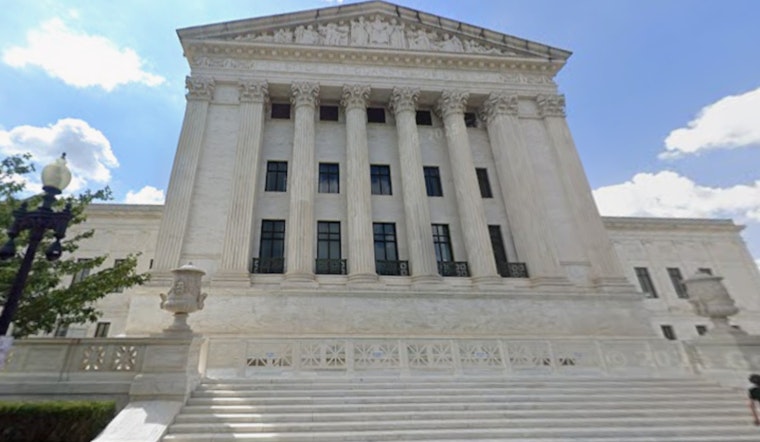
The U.S. Supreme Court on Monday quietly stepped back from a high-stakes Oklahoma tax dispute, declining to hear an appeal that could have reshaped whether tribal citizens who live and work inside reservation boundaries owe state income tax. That move leaves in place the Oklahoma Supreme Court ruling that a Muscogee (Creek) Nation employee must pay taxes to the state. For now, Oklahoma's narrower definition of who qualifies for a tribal tax exemption - not the Supreme Court's 2020 McGirt decision - remains the law of the land in the state. Tribal leaders say the court's refusal to intervene will push the fight into other federal arenas and keep big-picture questions about sovereignty and equal treatment unresolved, as per Justia.
What The Oklahoma Court Decided
In a 6-3 opinion last July, the Oklahoma Supreme Court backed the Oklahoma Tax Commission's decision to deny an "Exempt Tribal Income" protest, concluding that the U.S. Supreme Court's McGirt ruling was limited to criminal jurisdiction and should not spill over into civil or taxing authority, according to Justia. The court pointed out that Alicia Stroble lived in Okmulgee on unrestricted, non-trust private fee land she bought from a non-tribal grantor in 2008, and noted that an administrative law judge had initially recommended granting her protest before the commission went the other way. The justices tied their reasoning to state tax rules that require a tribal member to both live and earn income on "Indian land" to qualify for the exclusion.
Stroble's Claim And The Tax Fight
Stroble - an enrolled Muscogee (Creek) Nation citizen who worked for the Nation's legislative branch, with an office on land held in trust for the tribe - argued she should be exempt from Oklahoma income tax for 2017-2019 because she both lived and worked inside the reservation, according to KTUL. The Oklahoma Tax Commission rejected her application on the ground that her residence sat on fee land rather than trust land, leaving her claims to turn on how courts read the term "Indian country" for tax purposes. Several tribal nations and national organizations lined up behind Stroble, filing briefs in support of her petition.
Supreme Court Declines To Step In
On Monday, the high court formally denied review of Stroble's petition in a brief entry on its April 6, 2026 order list, leaving the Oklahoma ruling in place, according to the U.S. Supreme Court. Oklahoma Gov. Kevin Stitt's office cheered the outcome, arguing it preserves a single set of tax rules for everyone in the state, in a statement from the Oklahoma Governor's Office. The Muscogee Nation, for its part, said it is weighing next steps, including possible federal litigation in lower courts, according to reporting by KOSU.
Why This Decision Matters
Legal analysts note that the immediate effect is clear: Stroble's challenge ends with the state decision intact unless Congress or a future federal court steps in, which leaves other tribal citizens living on fee lands without an obvious path to seek refunds, legal trackers warn. The Oklahoma court's tighter reading of McGirt means future fights over issues like hunting, licensing, and civil regulation are more likely to unfold in a series of case-by-case battles instead of one sweeping national ruling, a trend followed by the Tribal Supreme Court Project. For tribal leaders, the next move is a strategic choice among continued litigation, potential legislative fixes, and hard-nosed negotiations with the state.


