

























































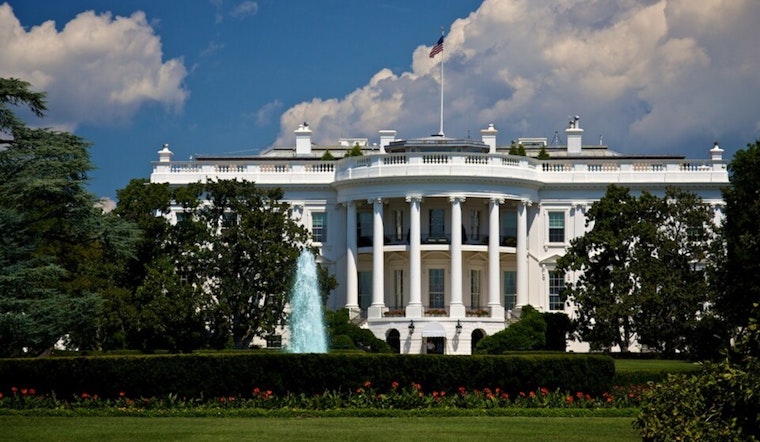
A coalition of historians and a government watchdog group has dragged the Justice Department into federal court in Washington, filing an April 6, 2026 lawsuit that takes direct aim at a legal opinion declaring the Presidential Records Act unconstitutional. The plaintiffs argue the memo would let a president treat official White House records as private property, potentially cutting off public access to documents that show how major decisions were made. They want a judge to confirm the law is valid and to order the White House to preserve and transfer presidential records to the National Archives.
What the OLC Said
On April 1 the Office of Legal Counsel issued a 52-page slip opinion concluding the Presidential Records Act "is unconstitutional" because it "exceeds Congress's enumerated and implied powers," and that "the President need not further comply with its dictates," according to the Office of Legal Counsel. OLC opinions set the executive branch's internal legal position, but the memo itself does not change federal law, which remains for the courts or Congress to decide.
The Lawsuit in D.C.
The American Historical Association and American Oversight filed a complaint in the U.S. District Court for the District of Columbia seeking declaratory and injunctive relief to preserve the PRA and require the White House to follow it, as laid out in the filing posted by CourtListener. The lawsuit names the president, the White House Office and the National Archives as defendants and contends the OLC opinion effectively wipes out earlier judicial rulings. U.S. District Judge Beryl A. Howell has been assigned to the case, according to CBS News.
Why Historians and Watchdogs Sued
"This case is about the preservation of records that document our nation’s history," the complaint states, arguing that the OLC opinion conflicts with Supreme Court precedent and long-standing archival practice. The filing notes that the National Archives recovered 15 boxes of material from Mar-a-Lago after the 2021 transition, including documents later identified as marked classified, and warns that the memo's logic could lead to the loss or privatization of historically valuable records.
White House and DOJ Responses
The OLC opinion asserts the PRA "serves no identifiable and valid legislative purpose" and that it "aggrandizes the Legislative Branch," language taken from the slip opinion itself. The White House has said the president is "committed to preserving records" and that staff are required to undergo records training, according to The Washington Post.
Legal Stakes and Precedent
The complaint asks the court to declare the PRA valid and to bar the administration from treating official records as the personal property of the president, a decision that could set up appeals to higher courts regardless of the outcome. The plaintiffs point to the Supreme Court’s decision in Nixon v. Administrator of General Services, the 1977 ruling that upheld congressional control over presidential materials after Watergate, as a key precedent in their challenge. Legal scholars say the case will test how separation of powers principles apply to presidential records, and the full Nixon decision is available at Justia for background.
What Happens Next
The plaintiffs have requested both declaratory and injunctive relief, and the court is expected to set a briefing schedule after reviewing the initial filings. Justice Department and White House spokespeople did not immediately respond to requests for comment, according to CBS News. The case is likely to draw fast-moving legal arguments and heavy media attention as it works through the D.C. federal court system.


