

























































Arizona’s latest statewide energy blueprint is betting that heat from deep underground could help keep the lights on as data centers and new residents push electricity demand higher and higher. The plan steers utilities toward a mix of quick fixes, including faster permitting and tighter transmission coordination, alongside longer-term efforts to build new, lower-water baseload resources that could eventually change how the state handles its peak power crunch.
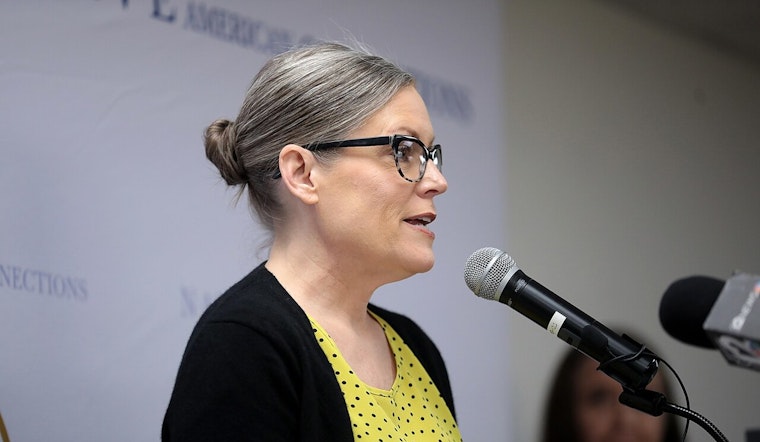
On April 2, the Arizona Energy Promise Taskforce, a 36-member group convened by Gov. Katie Hobbs, delivered 31 consensus-driven recommendations aimed at modernizing the grid and protecting ratepayers, according to a news release from the Governor’s Office. The plan calls for steps that would shorten project timelines, overhaul permitting and broaden the state’s resource mix so utilities can manage rapid load growth with fewer financial shocks for households.
Geothermal Gets a Closer Look
The task force noted that Arizona’s utilities do not currently use geothermal power on the grid, but officials said breakthroughs in next-generation geothermal systems make the technology worth serious study. KJZZ reported that Maren Mahoney, director of the Governor’s Office of Resiliency, highlighted recent industry advances in “advanced geothermal” technologies. To kick things off, the state directed roughly $1 million toward a statewide mapping and data effort administered by the Arizona Geological Survey; AZGS lists the geothermal data catalog and resource-evaluation award at about $989,166 and says the project runs from January 4, 2026, through January 3, 2028.
Why Utilities And Data Centers Are Watching
Arizona already leans heavily on natural gas for generation, and the Palo Verde nuclear plant supplied roughly 27% of the state’s net generation in 2024, according to the U.S. Energy Information Administration, which helps explain why officials are eyeing low-carbon, firm capacity. The task force paired its technology recommendations with specific ideas for large-load customers, including bring-your-own-capacity pilots, stronger community engagement and a fresh look at tax incentives for data centers, as reported by the Arizona Capitol Times.
Next Steps And Political Hurdles
The report is advisory, and the Governor’s Office says putting its ideas into practice will require action from the Arizona Corporation Commission, the Legislature and private partners, with many recommendations framed on both near-term and long-term timelines. The task force submitted its final report to Gov. Hobbs on March 1, 2026, and the administration is pitching follow-on research, financing partnerships and a geothermal playbook to help attract investment. Whether regulators and lawmakers move quickly will determine how much of that “promise” becomes actual production, according to the Governor’s Office.





.jpg)