

























































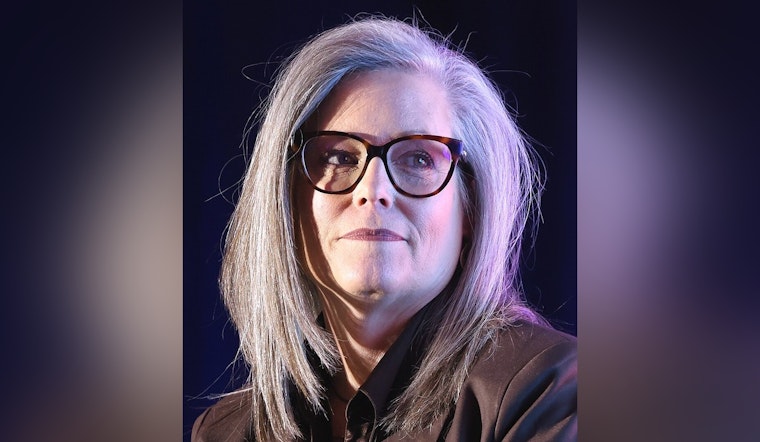
Gov. Katie Hobbs on Monday vetoed a pair of Republican-backed bills that would have funneled state dollars into recovering and treating brackish groundwater, cutting off a short-term plan to bankroll desalination studies and projects. Supporters had billed the measures as a way to broaden Arizona’s water portfolio as the state wrestles with shrinking Colorado River supplies, and the bills were carried by Reps. Gail Griffin and Chris Lopez. Hobbs, however, branded the approach speculative and warned it would siphon scarce money away from other water priorities. With her veto, the proposals are shelved for now and the fight shifts back to lawmakers and water officials.
What the bills proposed
House Bill 2055 would have set up a brackish groundwater recovery program, offering grants and loans for projects to pump and treat slightly salty groundwater, according to the measure’s text on the Arizona Legislature. House Bill 2056 would have ordered the Arizona Department of Water Resources to run a feasibility study on potential brackish desalination locations, including Gila Bend, Ranegras Plain, the west Salt River Valley and the Little Colorado River Plateau, and would have set aside $100,000 to pay for that work, per the legislative language.
Hobbs' veto message
In her veto letter, Hobbs said the proposals “diverted important funding” into “speculative groundwater extraction proposals” and dismissed the concept as “wishful thinking” that would not fix Arizona’s larger water problems, according to FOX 10 Phoenix. She argued the bills overlapped with existing funding sources and did not grapple with the real trade-offs that come with groundwater pumping and long-term management.
Experts: brackish isn't a silver bullet
Sarah Porter, who heads ASU’s Kyl Center for Water Policy, told reporters that groundwater in Arizona “needs to be managed as a non-renewing water supply” and warned that building a special fund to tap brackish groundwater “would not be a big solution” for communities hit by Colorado River shortages, FOX 10 Phoenix reported. Porter and other water specialists note that brackish aquifers face the same depletion risks and legal questions as other groundwater, on top of needing careful siting and tight oversight.
Technical and financial hurdles
State research and independent reporting flag a long list of headaches: the high cost of treatment and moving the water, along with what to do with the leftover concentrated brine, routinely complicate inland desalination projects, according to the Arizona Department of Water Resources’ augmentation study (Arizona Department of Water Resources). A separate investigation described brackish groundwater as “no easy solution,” pointing to depth, engineering and disposal problems that can make wide-scale development both expensive and technically tricky (Circle of Blue).
What comes next at the Capitol
With Hobbs’ veto in place, the bill sponsors could try to rework the language or chase funding in other committees while broader water talks continue in multiple venues, according to TrackBill and related bill-tracking reports. The move also lines up with a wider pattern of Hobbs rejecting standalone Republican measures that are not part of a statewide deal. Axios Phoenix notes that the governor has warned she will keep vetoing bills until lawmakers produce a budget and more comprehensive policy plans.





