

























































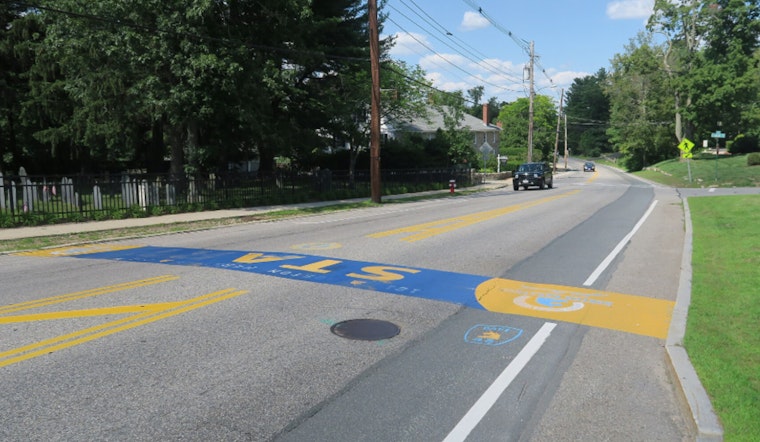
Hopkinton is looking to turn its famous starting line into a year round draw. The nonprofit 26.2 Foundation has rolled out plans for a roughly $35 million International Marathon Center on a 19-acre site along Route 135, just under a mile from the Boston Marathon start. The centerpiece would be a roughly 25,000-square-foot building with museum galleries, a marathon hall of fame, classrooms, an auditorium and outdoor trails aimed at luring both tourists and school groups. Backers say the project is designed to preserve marathon history, promote fitness education and spark new economic activity in Hopkinton and the surrounding region.
Tim Kilduff, president and founder of the 26.2 Foundation and a former Boston Marathon race director, told the Boston Herald that the price tag is pegged at about $35 million. He said the group expects to kick off permitting this spring, with a target of breaking ground in about a year. Early estimates put annual attendance in the tens of thousands, and Kilduff said the foundation expects to lean on partnerships with local organizations to keep the site active. Organizers have said funding will come largely from individual and corporate philanthropy rather than public dollars.
Plans For The Center
According to the 26.2 Foundation, the International Marathon Center would total roughly 25,000 square feet and include dedicated exhibit galleries, a Hall of Excellence, a 250-seat theater, classrooms, archival storage and conference space. The design calls for flexible exhibit areas and interactive displays meant to serve die-hard marathon fans and school programs alike, along with a network of outdoor trails for runners and community use. Foundation materials say local architects and consultants are already on board to shape the visitor experience and complete site due diligence.
Where It Will Sit
The 26.2 Foundation has secured a 99-year lease for a 19-acre parcel on East Main Street (Route 135), placing the IMC less than two-thirds of a mile from the Boston Marathon starting line, the town's Town of Hopkinton shows. Finalized in May 2021, the agreement keeps the land in town ownership while giving the nonprofit control to develop the property. The site sits on the north side of East Main near the Legacy Farms development and is easily visible from the marathon route, which is exactly the point.
Economic Pitch And Attendance
Organizers are pitching the IMC as a way to bring visitors and conference traffic to Hopkinton throughout the year instead of relying on a single marathon-driven surge each April. Kilduff told the Boston Herald that early projections call for about 60,000 visitors annually, with a longer-term goal of up to 100,000 once the site is fully up and running. Town leaders and select board members have voiced support, saying the center could cement Hopkinton’s place in marathon culture while sending more business to local shops, restaurants and hotels.
Timeline And Who Is Building It
The foundation says it plans to launch permitting work this spring and is collaborating with Gorman Richardson Lewis Architects, HealyKohler Design and Beals + Thomas on the design and site planning, with a market and economic study already underway. The project is structured as a phased build-out that pairs exhibit space with classrooms and community programming, an attempt to keep the campus buzzing beyond race week. Organizers caution that the schedule will depend heavily on permitting approvals and how quickly fundraising comes together, but they are currently eyeing a ground-breaking in about a year.
Why Hopkinton?
Hopkinton has long branded itself as the spiritual home of the Boston Marathon, and supporters say the IMC would finally give that identity a permanent address. They also point to the educational side, arguing that the center could host student programs and visiting groups that explore everything from sports history to fitness and health. The idea of a museum-style celebration of marathon culture has been floating around for years; as outlined by the Boston Globe, planners have long hoped to turn Hopkinton into something like a Cooperstown for distance running. Officials still stress that the final design, timeline and overall impact will hinge on fundraising outcomes, zoning and other regulatory approvals.





