

























































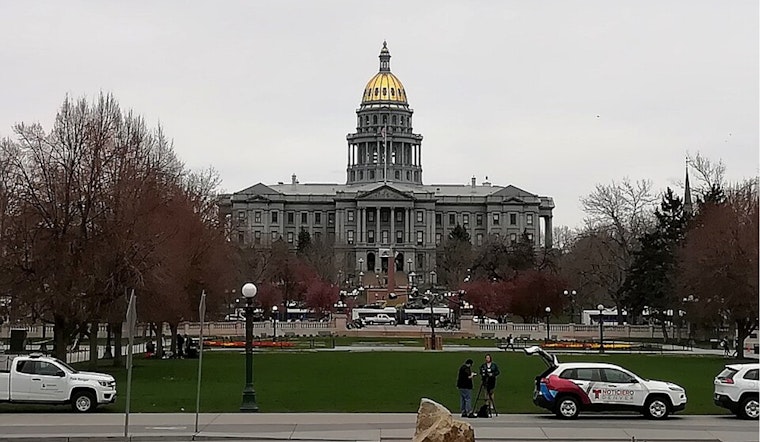
Colorado lawmakers are racing the clock on a controversial bill that would beef up security at the State Capitol while quietly pulling some personal and financial disclosures out of easy public view. Supporters say they are responding to a surge in threats against elected officials after last year’s deadly attacks in Minnesota. Transparency advocates warn the same plan could make it harder for voters and reporters to check up on candidates. HB26-1422 now heads into its first big test as the session nears the finish line.
What HB26-1422 Would Do
The proposal would create a new administrator of legislative safety to coordinate protection for lawmakers and certain staff. That office would have authority to hire personnel, and the administrator would be designated a peace officer with the power to enforce state law. The bill also clarifies the Colorado State Patrol’s jurisdiction in the Capitol complex, renames the current chief security officer as the sergeant at arms, and reshapes how some campaign and financial disclosure records are handled.
Among the most contentious pieces are the records provisions. HB26-1422 would repeal the requirement that candidate disclosure statements be posted on the state’s public website and would instead make certain financial disclosures available only when someone specifically asks for them. Those details are laid out in the bill text, according to the Colorado General Assembly.
Why Sponsors Say It’s Needed
Prime sponsors argue that the bill would centralize security efforts and finally give lawmakers a go-to officer who tracks threats full-time. Rep. Chad Clifford told The Denver Post that the role would provide “a tapped-in, day-in, day-out view of what’s happening” and help coordinate the patchwork of safety measures already in place. House Speaker Julie McCluskie told the paper that a dedicated security officer “isn’t enough, but it’s a start.”
The push follows the June 2025 shootings in Minnesota that killed a state lawmaker and her husband and wounded others, an attack prosecutors and national outlets described as politically motivated, as reported by PBS NewsHour. Colorado lawmakers have cited that tragedy as a stark reminder that threats can become real and deadly.
Privacy Versus Public Access
The records provisions landed with a thud among journalists and open-government advocates, who say online access to filings is critical for vetting candidates and confirming where they actually live. In the immediate aftermath of the Minnesota attack, Colorado briefly took down its public campaign-finance portal, and more than 40 officials sought to redact addresses and other personal details, according to Sentinel Colorado (reporting from Colorado Newsline).
Critics say HB26-1422 goes too far in the other direction. “These records should remain publicly available so journalists can background candidates and verify residency,” Jeff Roberts wrote in an email to The Denver Post, echoing a broader concern that forcing people to file requests will slow or quietly block routine scrutiny.
What’s Next At The Capitol
HB26-1422 was introduced on April 22 and is slated for a first hearing on Monday in the House State, Civic, Military, and Veterans Affairs Committee. Lawmakers are working against a tight calendar, with the General Assembly scheduled to adjourn on May 13. Supporters say the new administrator would centralize threat reporting and streamline coordination with the Colorado State Patrol. Opponents counter that the public-records changes trade too much transparency for convenience and personal safety.
If HB26-1422 advances, it will tee up an even louder fight over how to protect elected officials without hollowing out the public’s access to the records voters and reporters rely on. Expect sharp testimony at the committee hearing from security professionals and open-government advocates alike as the session barrels toward adjournment.





