

























































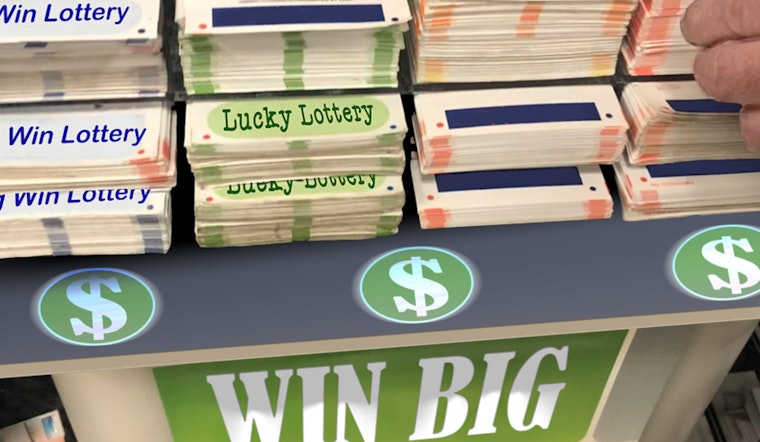
Americans have been pouring money into state-run lottery tickets, and the payoff is enormous. New federal data shows national lottery sales jumped to about $104.7 billion in fiscal 2024, with prize payouts roughly doubling to around $70.2 billion. That richer prize structure means states are keeping a smaller slice of every gambling dollar. Even so, Oklahoma still saw a solid bump: the state lottery transferred approximately $87.7 million to the Oklahoma Education Lottery Trust Fund for the fiscal year that ended June 30, 2024.
According to the U.S. Census Bureau's Annual Survey of State Government Finances, ticket sales climbed from $52.8 billion in fiscal 2008 to $104.7 billion in fiscal 2024. Over that same span, prize payouts rose 118% to about $70.2 billion and net lottery revenue increased 68% to roughly $34.5 billion. In its ASFIN overview, the Census Bureau noted that states gradually paid out larger prizes and kept a smaller portion of revenues for themselves between fiscal years 2008 and 2024. The bureau's tables also show that California, New York, Florida and Texas each cleared more than $8 billion in ticket sales in FY2024.
What it means for Oklahoma
The Oklahoma Lottery Commission's audited financial report for the year ended June 30, 2024, details how that national boom translated locally. The commission reported required transfers of about $87,692,671 to the Oklahoma Education Lottery Trust Fund, money that supports schools and education programs across the state. The report also points to a run of giant jackpots in FY2023, including two Mega Millions events and a Powerball drawing, that juiced sales to unusually high levels and helped keep momentum rolling into FY2024. In all, the commission logged roughly $354.7 million in total ticket revenues for that fiscal year, with scratch-off games and big-jackpot drawings making up the largest chunks of sales.
Prizes are eating into the state's cut
Even as total sales soared, states' take-home share shrank because prize payouts grew faster than net revenue. Reporting by Stateline describes the pattern as part of a broader shift. Lotteries are still delivering cash to public programs, but a growing portion of every ticket dollar is flowing back to players as bigger jackpots and popular instant games grab more of the market.
What to watch
Policy decisions in the coming years will determine whether states can turn rising ticket sales into bigger payouts for public services. Choices about instant-game lineups, prize structures and the legalization of other forms of gambling, such as sports betting, could all move the needle. Oklahoma lawmakers have already debated sports-betting proposals that might redirect some wagering dollars away from the state lottery or change which agency handles them, as reported by NonDoc. Educators and budget officials will be closely tracking how that mix of higher jackpots and shifting policy plays out in upcoming budget cycles.
For now, the new Census figures capture a lottery market that is booming while also paying out more to players. Whether Oklahoma schools see noticeably larger benefits will hinge on how state leaders balance prize levels, game offerings and the broader slate of gambling options competing for every betting dollar.




