

























































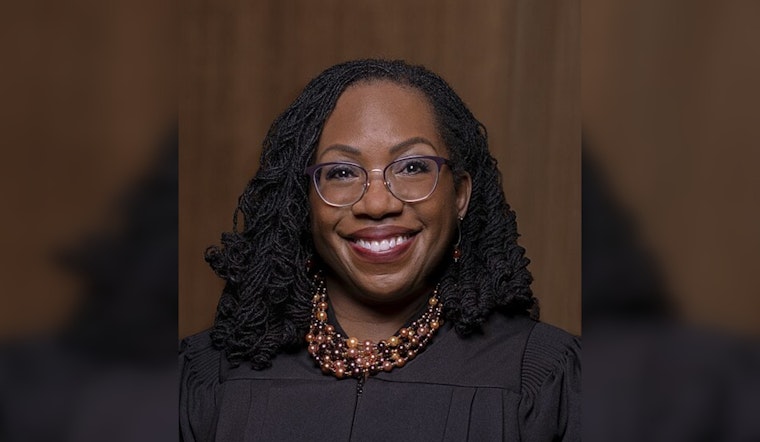
Supreme Court Justice Ketanji Brown Jackson did not mince words in New Haven, publicly calling out her conservative colleagues for using emergency orders to speed along parts of the Trump administration’s agenda. Speaking at Yale Law School, she said those terse rulings can read like “scratch-paper musings” that “seem oblivious and thus ring hollow,” and added that she hoped to be “a catalyst for change.”
What She Said At Yale
Over the course of nearly an hour, Jackson walked students and professors through roughly two dozen emergency orders from last year that, she said, let the administration forge ahead with immigration restrictions, steep funding cuts and other policies even after lower courts had found them likely unlawful, according to the Associated Press. Yale Law School later posted video of her remarks, which included a warning that the court’s recent handling of emergency stay applications has grown noticeably less restrained.
Why The 'Shadow Docket' Matters
Legal scholars and watchdogs say the court’s emergency, or “shadow,” docket, where decisions are made with limited briefing and little explanation, has increasingly yielded interim rulings that benefit the Trump administration, raising transparency and precedent concerns, as documented by the Brennan Center for Justice. Reporters and analysts at SCOTUSblog have also tracked growing internal friction among the justices over how those interim orders are issued and how lower courts are supposed to apply them.
Jackson pushed back on the idea that the president suffers meaningful harm when an order blocks an illegal policy, saying in a question-and-answer that “he certainly isn't harmed if what he wants to do is illegal,” a line reported by the Associated Press. She argued that the Court used to be more hesitant to jump into cases at an early stage and cautioned that constant intervention on divisive policy fights carries long-term costs for the judiciary.
What Comes Next
By taking her critique public, Jackson stepped into an ongoing debate over whether the court should provide fuller explanations or disclose individual votes on emergency relief, reforms urged by scholars who worry that short, unexplained rulings can still have lasting, de facto effects. For a deeper dive into how interim orders reshape judicial power and what possible reforms might look like, see an essay in the Harvard Law Review.


