

























































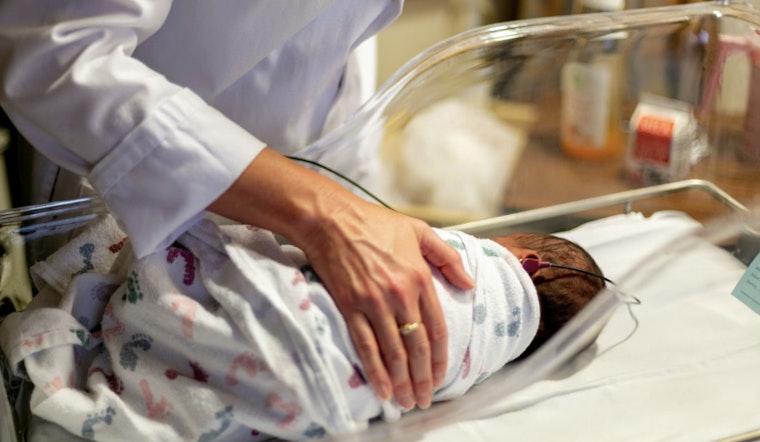
Having a baby in New Jersey or New York can come with a hospital bill that rivals a year of college tuition. A new international index finds that for many families in these two states, the cost of delivery alone tops $30,000, tying those steep price tags to state policies and maternal health outcomes. For expectant parents, it all raises urgent questions about insurance, paid leave and what kind of support really shows up after the baby does.
According to a report by iSelect, the Global Toll of Giving Birth index gives New Jersey an overall score of 36.84 and calculates an average delivery cost of $33,122. New York’s overall score is 39.71 with an average delivery cost of $31,345. The index rolls together delivery costs, employer maternity leave rules and maternal death rates into one ranking to show where it is most, and least, affordable to start a family in the United States. In its U.S. rankings, iSelect gives the average cost of birth the heaviest weighting to reflect the immediate financial hit facing parents.
How The Study Connects The Bill To Safety
To get at the safety side of the equation, iSelect pairs its cost estimates with maternal mortality figures drawn from federal data. The Centers for Disease Control and Prevention reports a maternal mortality rate of about 26 deaths per 100,000 live births for New Jersey and roughly 22 per 100,000 for New York in its 2018 to 2022 state data (CDC). Those rates feed into the index’s safety pillar and can drag down a state’s overall score when deaths are higher.
The CDC also flags an important caveat. State level maternal mortality rates can be statistically unstable when they are based on relatively small numbers of deaths, so context and longer term trends matter when trying to interpret short term swings in the data.
Why Different Trackers Show Different Price Tags
Not every measurement of birth costs is talking about the same thing, which helps explain why numbers do not always match up. FAIR Health’s Cost of Giving Birth Tracker relies on insurance claims and reports median in network “allowed amounts” for vaginal deliveries and C sections. Those allowed amounts are what insurers and providers agree to, and they often come in lower than the billed averages that iSelect cites because they leave out many out of network or sticker prices.
Even so, both data sets land New Jersey and New York near the most expensive end of the national spectrum, underscoring that where you live and which insurer you use can dramatically change what families actually pay when it is time to deliver (FAIR Health).
State Supports Help, But They Do Not Erase The Bill
Both states have paid leave systems and new programs meant to make starting a family more affordable. Those policies, however, do not wipe away high hospital charges or fully close gaps in postpartum care.
New York’s Paid Family Leave program details wage replacement benefits for eligible workers on the state site (Paid Family Leave). The governor’s office has separately outlined broader affordability initiatives and recently proposed birth allowance measures aimed at making it easier to cover the basic costs of welcoming a child (Governor’s Office).
Across the river, New Jersey’s Department of Health highlights its Nurture NJ initiative, a 2024 hospital report card and new postpartum supports. At the same time, the department warns that racial disparities and preventable pregnancy related deaths remain a serious problem (NJDOH).
Local coverage has helped bring the sobering numbers home. PIX11 recently walked viewers through the findings and pointed them to the underlying analysis.
For people planning a pregnancy in either state, the practical takeaway is less glamorous than the baby shower. Confirm early that your preferred provider and hospital are in network, ask for an itemized cost estimate when you can and comb through your state leave programs and community supports well before your due date. With average delivery bills clearing the $30,000 mark, no one wants the biggest surprise of childbirth to be the envelope that shows up a few weeks later.




