

























































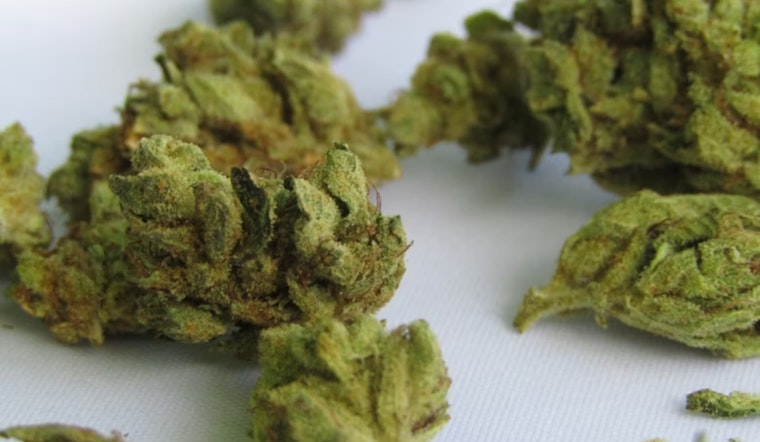
Sessions by the Bay is celebrating its first anniversary this weekend as San Diego County’s only cannabis consumption lounge, marking the milestone with live music, brand activations, morning goodie bags and a two-day vendor market, all capped with a ceremonial joint lighting on Tuesday. The waterfront spot in National City has turned into a real-time test case for whether the cannabis-café model can bring in tax revenue and jobs while staying tightly regulated and alcohol-free. That first year is giving residents and officials fresh material as they debate whether this kind of lounge should pop up elsewhere in the county.
According to The San Diego Union-Tribune, Sessions opened on April 20, 2025, after roughly 3 years of permitting, and drew about 8,000 people to a waitlist before its debut. Owner Alex Ayon told the paper the business has exceeded expectations and that the lounge still sees plenty of first-time visitors every day. Prevention advocates quoted by the paper urged caution about letting the consumption-lounge model spread beyond its current footprint in California.
What the Space Looks Like
The venue fills a multi-level building, with a ground-floor retail dispensary and an upstairs consumption area of about 16,000 square feet where patrons sit at tables and consume cannabis purchased on site. As reported by NBC 7 San Diego, the project includes a partnership with the Sycuan Tribal Development Corporation and plans for rooftop seating and curated programming. Operators say the design emphasizes ventilation, private seating and on-site security to limit smoke and keep consumption out of public view.
Local Rules and the Deal That Opened the Door
National City’s cannabis ordinance sets tight rules for any consumption lounge: patrons must be at least 21, cannabis use cannot be visible from public areas, and alcohol and tobacco are prohibited on the premises, as laid out in the city’s code. The city selected Sessions as its designated consumption-lounge applicant and, in late 2022, approved development agreements for the initial operators that locked in community-benefit and operational conditions as part of the permit package. Those local rules shape everything from how Sessions runs day to day to how the city enforces safety and nuisance protections.
Taxes, Fees and the Bottom Line
National City negotiated terms meant to capture a steady stream of revenue. Development agreements for cannabis businesses include local fees and community benefit commitments, with reporting that operators agreed to a roughly 5% gross-receipts charge plus an annual community benefit payment reported as $50,000 or 1% of net profits, whichever is greater. Per The San Diego Union-Tribune, those local levies sit on top of a combined local sales tax of about 8.75%, a rate listed by Avalara, and the state cannabis excise tax, which California law sets at 15% of retail gross receipts, according to the California Legislature.
Community Reaction and What Comes Next
The lounge did not sail through without skeptics. When the council approved the ordinance, then-councilmember (now mayor) Ron Morrison cast the lone no vote, saying he worried about enforcement in a small city. Local business supporters point to jobs and tourism, while prevention groups keep calling for strict limits. City officials say they will continue to track compliance, public-safety impacts and whether operating-hour rules should be tweaked. Sessions’ first year has turned into a closely watched experiment for nearby cities that are curious but wary.
Sessions’ owners are leaning into the milestone. The lounge’s website lists a multi-day anniversary schedule running through Tuesday, with vendor markets, giveaways, live music and a ceremonial 4/20 lighting. For National City, the first year has shown how municipal codes, development agreements, and targeted fees can steer a new industry toward measurable community benefits. Whether that formula becomes a regional model is still an open question.





