

























































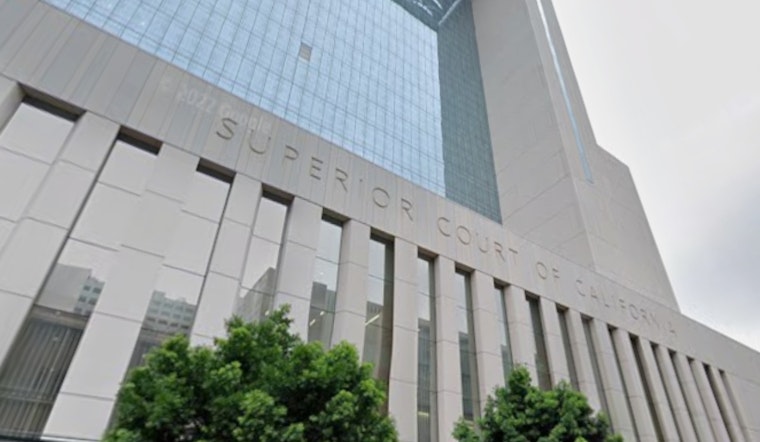
A San Diego Superior Court judge has refused to pull the plug on a high-stakes challenge to the city’s new trash collection fee, keeping the lawsuit very much alive and on a path to trial next month. Homeowners suing the city argue the Solid Waste Management Fee is unlawful because it may exceed the actual cost of service and could be tapped for uses that have nothing to do with hauling trash. The ruling lands just as the city gears up to start billing residents.
Today, Judge Euketa L. Oliver denied the city’s bid to dismiss the case and declined to grant summary judgment on several key claims. Oliver found the plaintiffs had offered enough evidence to call into question the validity of the city’s cost projections, according to NBC 7 San Diego. The judge pointed to an apparent contradiction between declining demand for trash service and rising program costs, calling it a triable issue of material fact. By refusing to toss the case, the court kept open the argument that the new fee could be used for purposes other than trash collection.
What the homeowners say
The lawsuit, brought by a group of local homeowners and led by attorney Michael Aguirre, claims the fee violates Proposition 218 on two fronts. First, they say it will generate more money than it actually costs the city to provide trash collection. Second, they argue that some of that money could be spent on non‑trash items. The plaintiffs contend the city’s cost‑of‑service study leans on consultant forecasts instead of real historical spending, which they say artificially inflates the numbers. Those allegations were laid out when the case was filed, as reported by the Times of San Diego.
Judge flagged gaps in the city’s cost projections
Oliver wrote that the plaintiffs had done enough to call into question the validity of the city’s financial forecasting. The disconnect between lower projected service demand and higher overall program costs, the court said, is exactly the kind of factual dispute that must be sorted out at trial, not swept aside on a procedural motion. The tentative ruling also rejected the city’s attempt to knock out claims that fee revenues might be redirected to other municipal uses, according to NBC 7 San Diego.
How many households and how much
City documents and local reporting indicate the new program would hit more than 200,000 single‑family homes. At the center of the fight is a sharp jump in projected spending: roughly $149 million in the city’s forecasts compared with about $89 million in the most recent year of actual costs, which plaintiffs cite as the heart of their case. The City Council approved first‑year fees of about $43.60 per month for a standard 95‑gallon bin, or roughly $523.20 a year. Opponents argue those prices are far higher than what voters thought they were approving when they passed Measure B. Those figures appear in the city’s public presentations and in local coverage of the rollout, according to the City of San Diego and Times of San Diego.
Legal standard in play
The dispute turns on Proposition 218, which sets strict limits on property‑related fees. Under the state Constitution, revenue from such a fee shall not exceed the funds required to provide the property-related service and shall not be used for any purpose other than that for which the fee or charge was imposed. That framework puts the burden on the city to prove the fee is proportional and tied to real service costs. Whether San Diego has cleared that bar is exactly the question Oliver said needs to be tested at trial. The constitutional text is available at California Legislative Information.
What’s next
The case now moves into pretrial scheduling and discovery, with a tentative trial date set for next month. Both sides are expected to trade expert reports and fine‑tune their financial models before stepping into the courtroom. City attorneys told the court they expect fee revenues will not exceed actual costs over the next four years. The plaintiffs insist the numbers tell a different story and have asked the court to let a factfinder decide who is right. Local outlets have tracked the court’s timetable and the procedural steps both camps must complete before trial.
City officials usually stay quiet on pending litigation, and the city attorney’s office did not immediately respond to reporters’ questions. Attorneys for the homeowners, meanwhile, said Oliver’s ruling keeps their path open to a full public airing of the city’s math. With discovery and expert testimony about to ramp up, the upcoming trial will decide whether San Diego’s fee structure passes legal muster under state law and lives up to what voters thought they were getting, and ultimately whether affected homeowners will be billed as the city has planned, according to the City of San Diego.





